Investing vs trading
I grew up in a stockbroking family.

What each one actually is
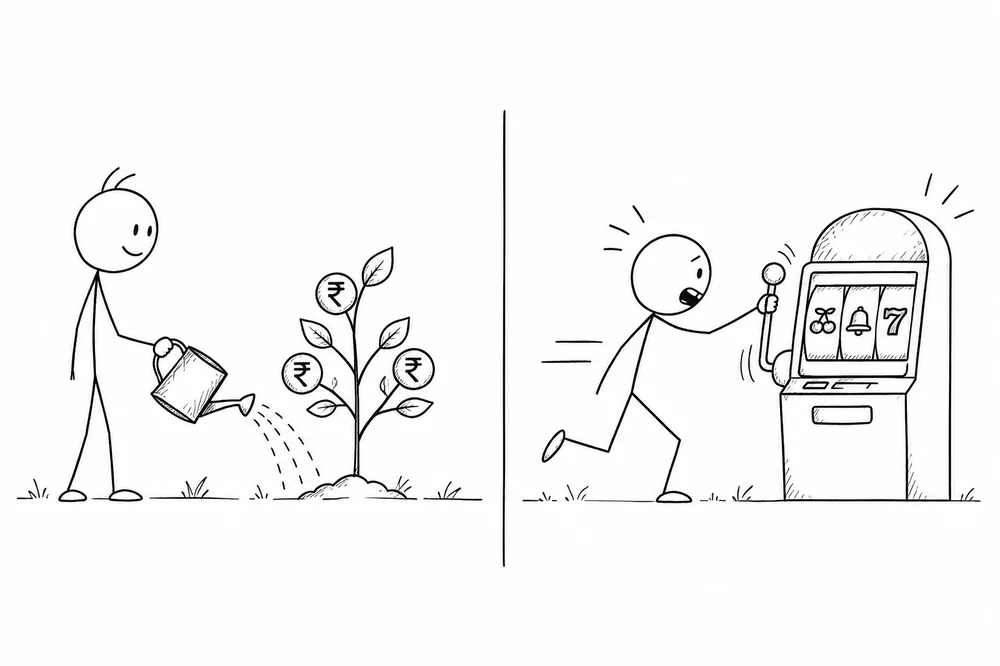
Investing is buying a piece of a business and letting time do the work. Your return comes from the company’s earnings growing over years.
The asymmetry nobody advertises
Here is the part the trading apps leave out of the ads. An investor who buys a decent business and does nothing needs to be right once.

Can you do both?
You can, with one rule that is easy to state and hard to keep: separate the money and never let the accounts talk to each other.
I grew up in a stockbroking family. My father was a broker, I have been around markets since I was a teenager, and I have made most of the mistakes retail traders make: concentrated positions, selling winners too early, holding losers too long. So when people ask me whether they should invest or trade, my answer comes from scar tissue, not theory. The two activities share a stock exchange and almost nothing else.
What each one actually is
Investing is buying a piece of a business and letting time do the work. Your return comes from the company’s earnings growing over years. The edge available to you is patience, and patience is free.
Trading is buying a price, not a business. Your return comes from selling to someone at a higher price within days or weeks. The edges available are speed, information and discipline, and on all three you are competing against institutions with faster machines, better data and professionals who have not blown up yet.
The asymmetry nobody advertises
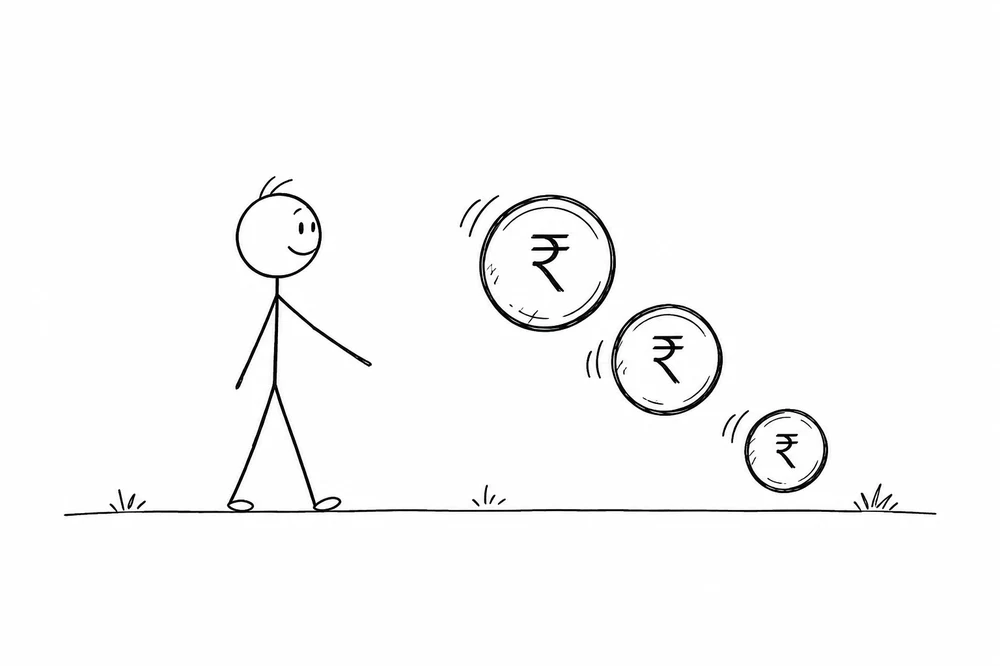
Here is the part the trading apps leave out of the ads. An investor who buys a decent business and does nothing needs to be right once. A trader needs to be right about direction, timing and magnitude, repeatedly, while costs, taxes and slippage skim every trade. SEBI’s own study of F&O traders found that the overwhelming majority of individual traders lose money, and the few who profit make less than the losers lose. The house does not cheat; it does not need to. Turnover is the fee.
Can you do both?
You can, with one rule that is easy to state and hard to keep: separate the money and never let the accounts talk to each other. A small trading allocation, money you can lose without changing your life, is a legitimate hobby, and an honest one if you treat it as entertainment with tuition fees. What destroys people is the drift: a trading loss gets “averaged down” into an investment, or a lucky trade convinces someone to move serious money into the casino.
My own split is simple. The wealth is invested, boringly, in businesses and funds I intend to hold for years. If I want the thrill of a short-term call, it comes out of a budget sized like a hobby, because that is what it is.
The market will happily let you confuse activity with progress for decades. Investing pays you for waiting; trading pays you for being right faster than professionals. Only one of those is a game a person with a day job can win.