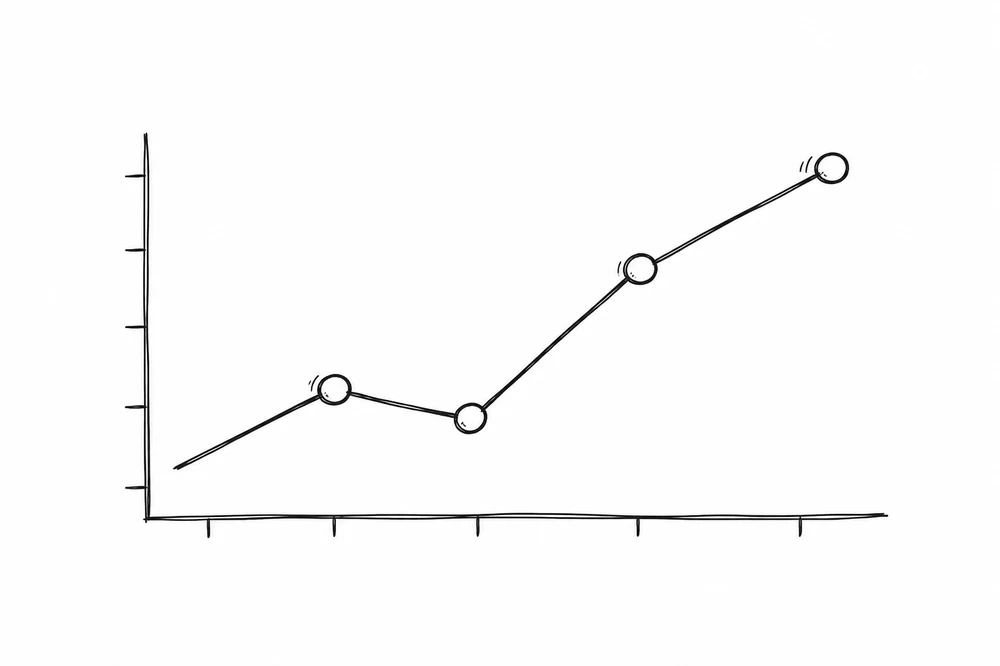
RBI repo rate
The repo rate is 5.50% as of the RBI’s 7 October 2026 meeting. The number matters, but not because a 25 basis point move should make you rebuild your portfolio.

Start with the loan
If your floating-rate home loan is linked to the repo rate or another external benchmark, a repo move should reach your loan after the next reset date.
FDs move in the same direction, but on the bank’s timetable
When policy rates rise, banks usually pay more for deposits because they need funding. When rates fall, new FD rates tend to fall too.
Bond prices move the other way
This is the part worth learning properly. Suppose you own a bond paying 7%. New bonds later come with a 7.5% yield .

Stocks do not follow a one-line rule
“Rate cuts are good for stocks” is incomplete. Lower rates can lift valuations because future profits are discounted at a lower rate.

What I would do after an MPC meeting
First, I would not react to one 25 basis point move. I would look at the direction of the cycle and the RBI’s language.
The repo rate is 5.50% as of the RBI’s 7 October 2026 meeting. The number matters, but not because a 25 basis point move should make you rebuild your portfolio. It matters because it changes the price of money across the system.
That chain is what I look at. The RBI moves the policy rate. Banks change lending and deposit rates. Existing bond prices adjust. Companies feel the change through borrowing costs, demand and valuation. Your home loan, FD renewal and debt fund sit at different points on the same chain.
Start with the loan
If your floating-rate home loan is linked to the repo rate or another external benchmark, a repo move should reach your loan after the next reset date. The bank still adds its spread, so your rate is not 5.50%. It is the benchmark plus that spread.
A cut can reduce the EMI or shorten the loan, depending on how the bank applies it. A hike does the reverse. Ask “What is my benchmark, what is my spread, and when is my next reset?” rather than “Did the RBI cut?”
Older loans linked to MCLR or the base rate can move more slowly. If you have one, check the loan statement before assuming the television headline has changed your EMI.
FDs move in the same direction, but on the bank’s timetable
When policy rates rise, banks usually pay more for deposits because they need funding. When rates fall, new FD rates tend to fall too.
This creates a reinvestment decision. Near the top of a rate cycle, a longer FD can lock the rate for more time. During a rising cycle, shorter maturities let you renew at higher rates. I would not make an all-or-nothing rate call. I would split maturities instead.
The repo rate does not change an FD you have already booked. It changes the rate available when the next FD is opened or renewed.
Bond prices move the other way
This is the part worth learning properly.
Suppose you own a bond paying 7%. New bonds later come with a 7.5% yield. Your 7% bond is now less attractive, so its market price has to fall. If new yields drop below 7%, the same bond becomes more valuable and its price rises.
That is why debt funds can fall when interest rates rise even when none of their government bonds has defaulted. It is a price adjustment, not necessarily a credit problem.
Duration tells you how sensitive a bond or debt fund is to that adjustment. A long-duration fund reacts more. An overnight or very short-duration fund reacts less because its holdings mature and get reinvested quickly.
Match the duration to when you need the money. A rate view is secondary to that.
Stocks do not follow a one-line rule
“Rate cuts are good for stocks” is incomplete.
Lower rates can lift valuations because future profits are discounted at a lower rate. They can also reduce interest expense and make loans cheaper for customers. Real estate, autos and other rate-sensitive businesses may benefit.
But the RBI may be cutting because growth is weak. In that case, the valuation benefit can arrive alongside weaker sales and profits. Banks can also face pressure on margins depending on how quickly loan and deposit rates reset.
So I separate two questions. What does the rate change do to the valuation multiple? What does the economy that caused the rate change do to earnings? The share price reflects both.
What I would do after an MPC meeting
First, I would not react to one 25 basis point move. I would look at the direction of the cycle and the RBI’s language.
Second, I would check the items where the effect is direct: the benchmark and reset date on a floating loan, the maturity dates of FDs, and the duration of any debt funds.
Third, I would leave the equity portfolio alone unless the rate decision changes my view of a company’s earnings or balance sheet. A policy headline by itself is not an investment thesis.
At its 7 October 2026 meeting, the RBI raised the repo rate by 25 basis points to 5.50%, the standing deposit facility to 5.25%, and the marginal standing facility and Bank Rate to 5.75%. The RBI’s official October resolution records these rates and its calibrated tightening stance.
The repo rate is best read as the first price in a chain. Follow the chain to the asset or liability you actually own.