
IPO lock-in date
The lock-in date is the first day a locked share can be sold. It is counted from the allotment date, not the listing date. SEBI’s rules fix it, so it is known from day one.
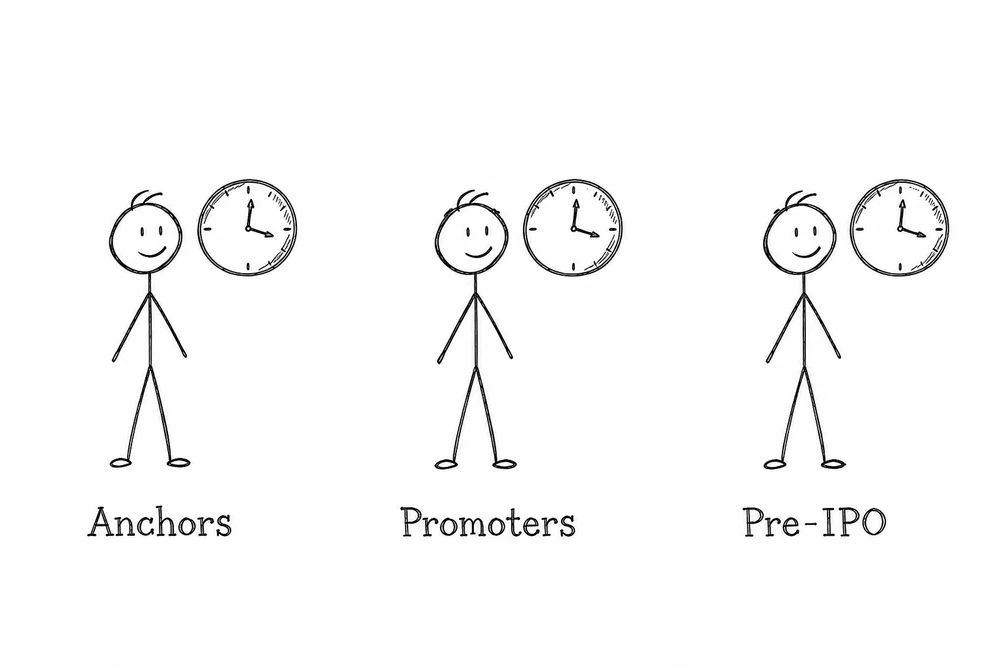
Three groups, three clocks
Anchors: half at 30 days, half at 90. Promoters: 18 months on the minimum , 6 months on the rest. Other pre-IPO holders: 6 months.

Anchors: 30 and 90 days
Half of the anchor shares are locked in for 30 days from allotment, the other half for 90 days. Shares allotted to retail and HNI bidders have no lock-in.
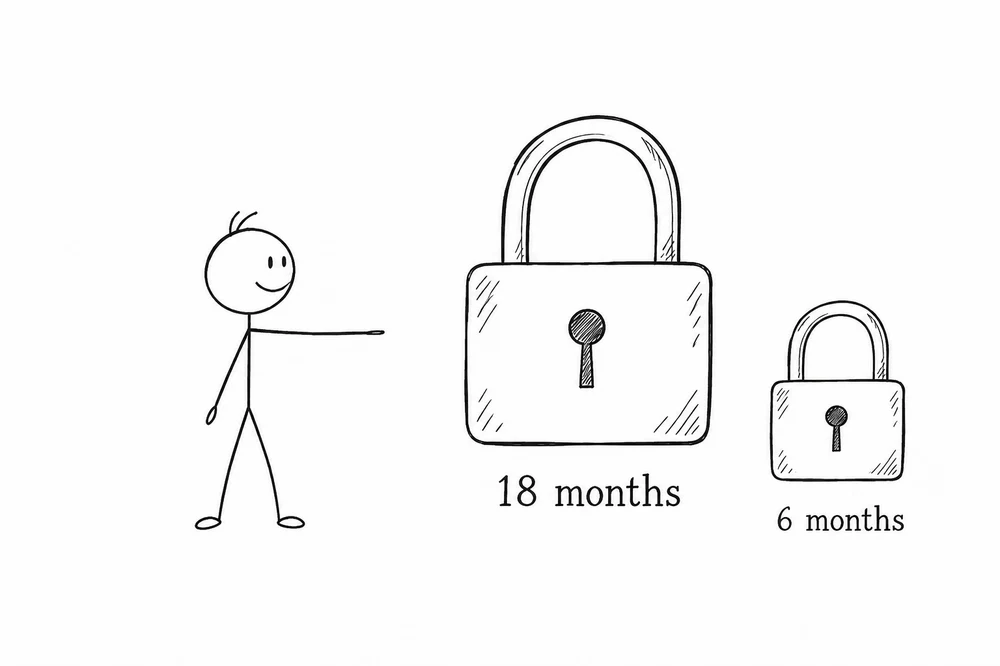
18 months and 6 months
The 2021 amendment cut the minimum lock-in from three years to 18 months, and the rest from one year to six months. If most of the fresh issue goes to capital expenditure , the old three-year rule still applies.
Pre-IPO shareholders: six months
Anyone other than the promoters who held shares before the IPO is locked in for six months from allotment. Employee shares and fund holdings have their own rules .
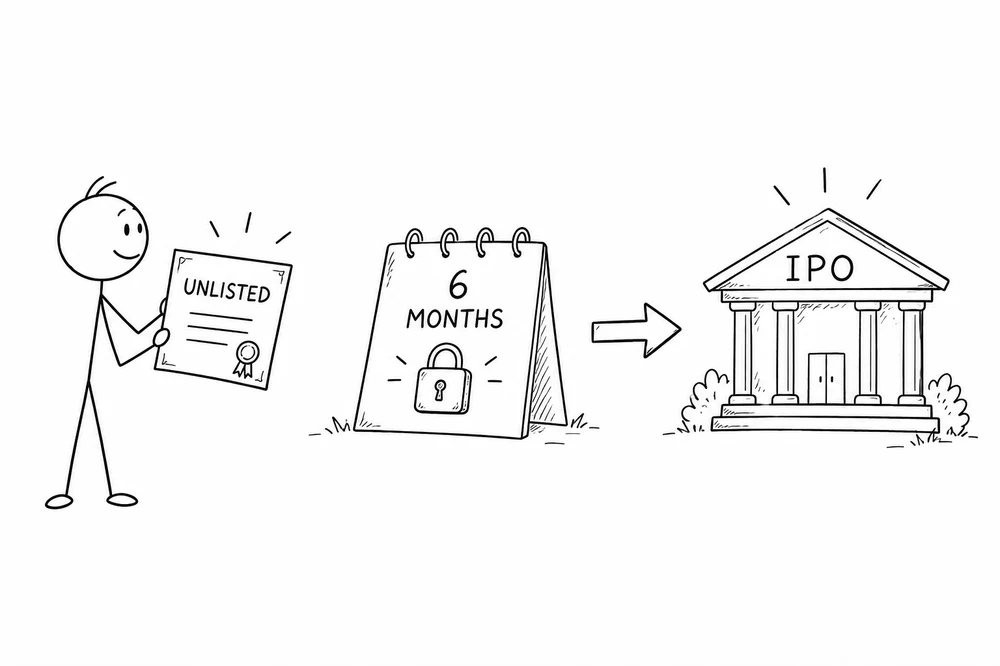
Bought unlisted shares? Six months
People buy shares of private companies from early investors or employees, off the exchange. If the company comes to the market with an IPO, those shares fall in the pre-IPO shareholder category. They are locked in for six months from allotment. The time you held them before does not count.
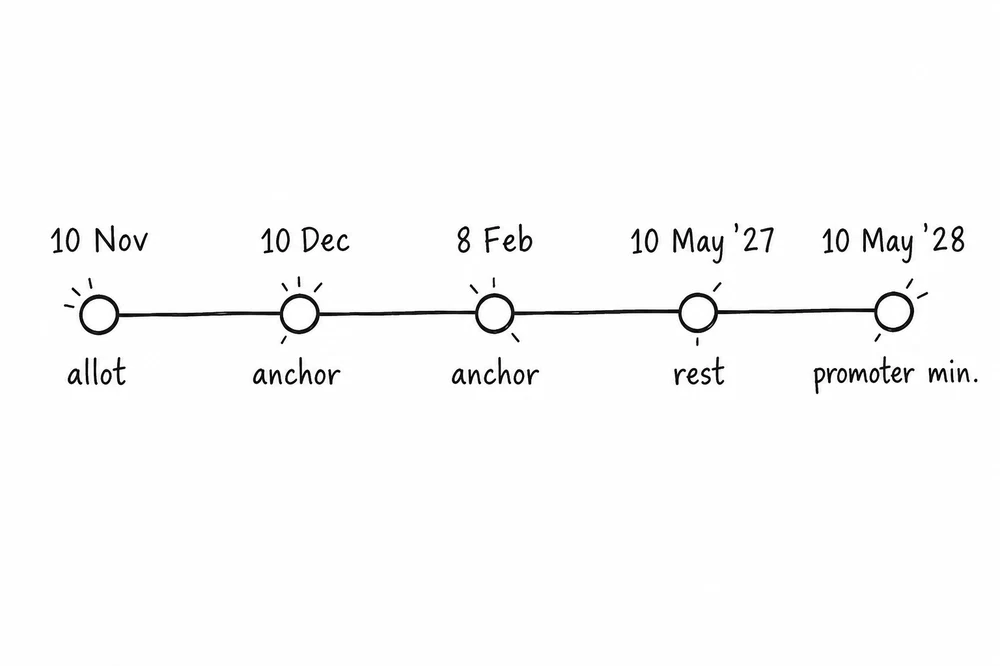
An example with dates
Allotment on 10 November 2026. Anchors unlock on 10 December and 8 February. Pre-IPO holders and extra promoter shares on 10 May 2027. The minimum promoter contribution on 10 May 2028.
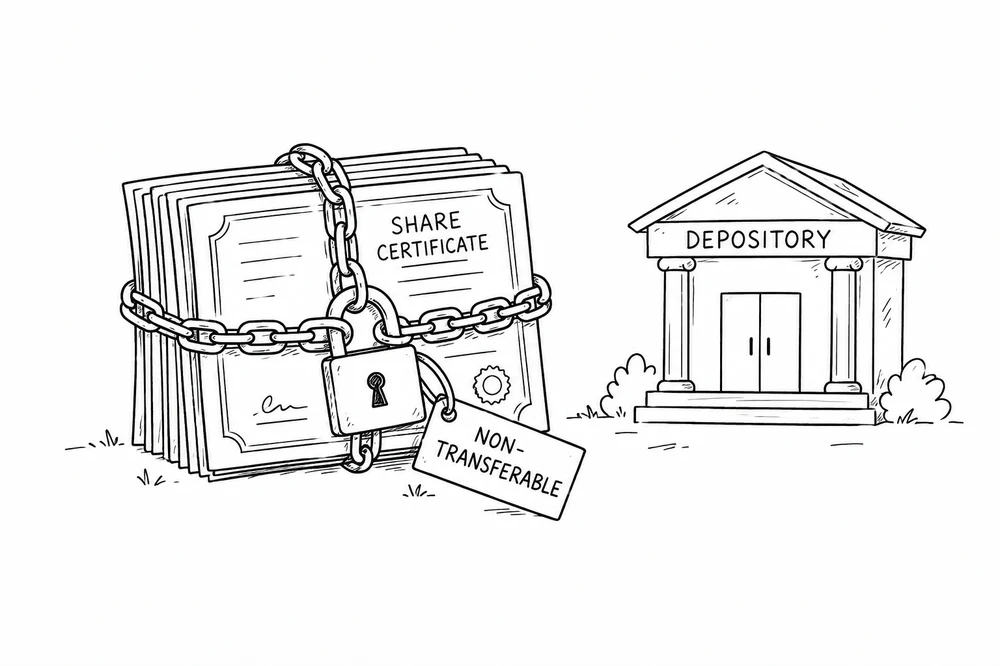
Pledged shares are locked too
Since 21 March 2026, shares that cannot carry a normal lock-in, such as pledged shares, are marked non-transferable by the depository for the lock-in period. Pledging no longer gets around it.
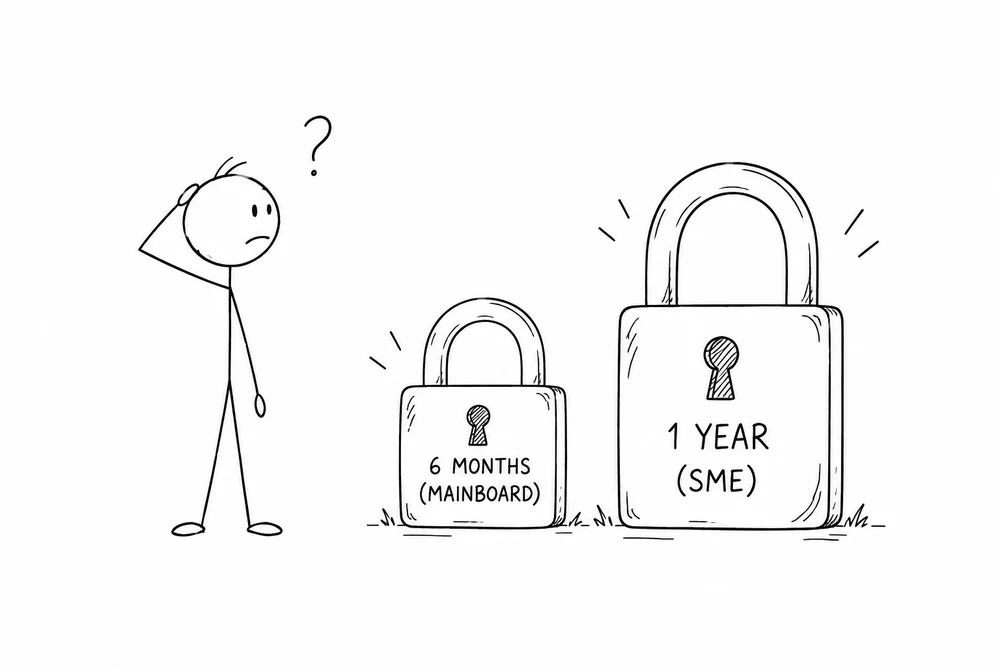
SME IPOs lock in longer
On the SME platforms, pre-IPO shareholders are locked in for one year, not six months. The minimum promoter contribution is locked in for three years. The rest of the promoters’ shares unlock half after one year and half after two.
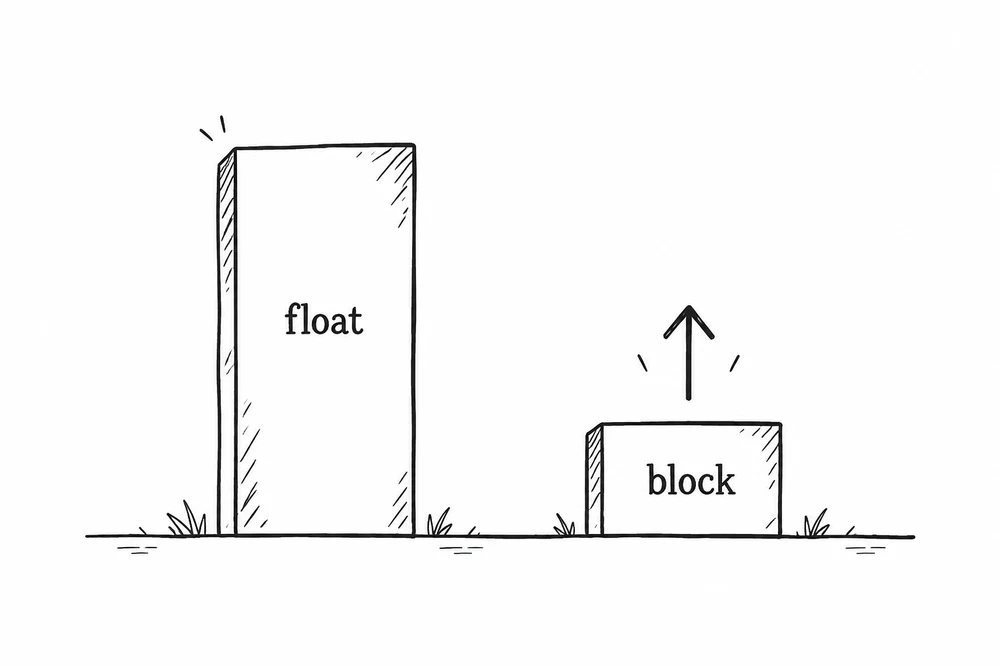
A date, not a prediction
More shares are allowed to trade, not certain to. Check how big the block is against the float , who holds it, and whether the holder is a long-term fund or an investor with a fixed fund life.
The IPO lock-in date is the first day a locked-in share can be sold. Every Indian IPO has a calendar of them. SEBI’s rules fix the periods, they start from the allotment date, and they are known on day one. If you hold a recently listed stock, or want to, you can find almost every date when new shares become free to sell yourself. Here is how.
Three groups, three clocks
Lock-in is not one number. It depends on who holds the shares.
Anchor investors. Half of the anchor shares are locked in for 30 days from allotment and the other half for 90 days (SEBI board paper, April 2022). These are the first dates to mark.
Promoters. Under the 2021 amendment, the minimum promoter contribution is locked in for 18 months from allotment, and promoter holding above that minimum for six months. Earlier it was three years and one year (AZB summary of the amendment). One exception matters: the shorter 18 month period does not apply when most of the fresh issue proceeds, leaving out the offer for sale, go to capital expenditure. In that case the earlier three year rule still applies.
Other pre-IPO holders. Shareholders who are not promoters, such as early investors and employees, are locked in for six months from allotment in an IPO. The earlier rule was one year (same AZB summary). Shares given to employees under an ESOP scheme are outside this lock-in, and so are the holdings of venture capital funds and Category I and II AIFs, which need six months of holding from the date they bought (SEBI ICDR Regulations, Regulation 17).
Anchors are a separate case. Retail and HNI bidders get shares with no lock-in at all.
If you bought unlisted shares
People buy shares of private companies from early investors or employees, off the exchange. If that company comes to the market with an IPO, those shares are part of the pre-issue capital held by persons other than the promoters. They fall in the six month category, counted from allotment in the IPO. The time you held them before the IPO does not shorten it.
If you want to sell in the IPO itself, through an offer for sale, the shares must have been held for at least one year before the draft offer document is filed. That is why about 1.8 lakh holders of unlisted NSE shares can offer them in its IPO, as I wrote on LinkedIn.
An example with dates
Take an IPO with shares allotted on 10 November 2026. These dates follow from the rules above:
- 10 December 2026: first half of anchor shares unlock.
- 8 February 2027: second half of anchor shares unlock.
- 10 May 2027: six months. Promoter holding above the minimum and pre-IPO investors unlock.
- 10 May 2028: 18 months. The minimum promoter contribution unlocks.
The clock runs from allotment, which happens a few days before listing, so the date on your calendar should come from the allotment date in the prospectus or the allotment announcement. If you are unsure how that date is set, how IPO allotment works walks through the timeline.
Pledged shares and SME IPOs
Since the SEBI ICDR amendment of 21 March 2026, shares that cannot carry a normal lock-in, such as pledged shares, are recorded by the depository as non-transferable for the lock-in period. Issuers have to change their articles, tell the lenders and disclose it in the offer document (Moneycontrol, 8 April 2026).
SME IPOs have longer clocks. Pre-IPO holders other than promoters are locked in for one year. The minimum promoter contribution is locked in for three years, and the rest of the promoters’ shares unlock half after one year and half after two years, since the March 2025 amendment (SEBI ICDR Regulations, Regulations 238 and 239). The mainboard dates above do not apply to them.
What the dates are good for
An unlock date is a date when more shares are allowed to trade. It is not a prediction that they will. Many holders keep their shares, and many unlocks pass without much happening. What the dates give you is a schedule you can prepare for. Before an unlock you can check how large the unlocking block is against the shares already trading, who holds it, and whether the holder is a long-term fund, a founder or an early investor. A small block held by someone who has stayed through the IPO means little. A large block held by a financial investor with a fixed fund life is something to watch.
You can also read the lock-in structure as information about the IPO. An issue where promoters hold a large post-issue stake, locked in for 18 months or longer, is telling you the people running the business are staying.
Where to find the actual dates
The offer document sets out the lock-in terms before the issue opens, and the allotment announcement gives the date the clocks start from. I would note the allotment date and the share count in each locked-in category, then add the periods above. That takes five minutes for any IPO.
The lock-in rules give a calendar, and the calendar is public from the day shares are allotted.