Jio IPO
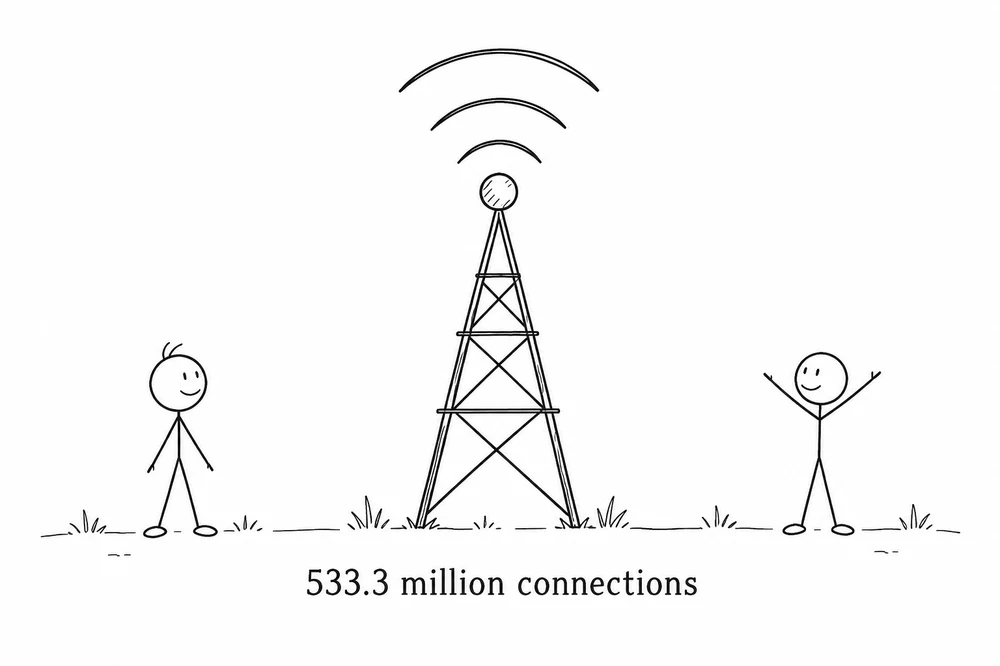
533.3 million connections and a 53.3% margin in the June quarter. And an IPO with no seller.
The latest
Bloomberg reports Jio is likely to seek about Rs 11 lakh crore. That is below the roughly Rs 12.5 to 16.5 lakh crore floated earlier. Nothing is final until the price band is out.
Large and profitable
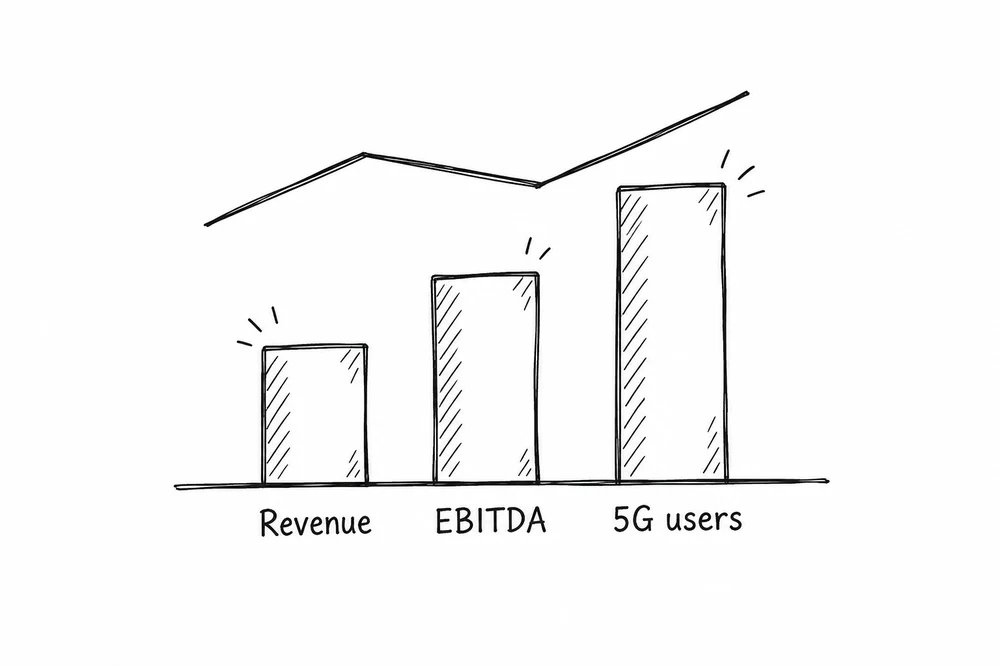
June quarter: revenue Rs 39,173 crore, EBITDA Rs 20,865 crore. 285 million of the 533.3 million connections are on 5G. Connections, not unique people.
100 million in 170 days
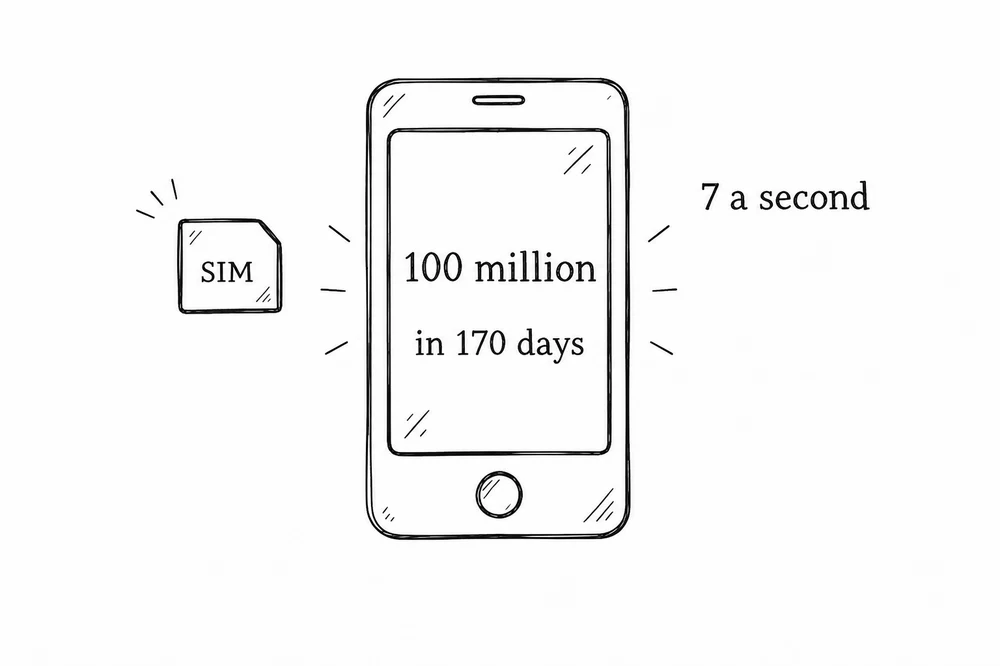
Jio said in February 2017 it had passed 100 million customers in 170 days, about 7 a second. That is the company’s own figure, from its media release.
Meta and Google came in 2020
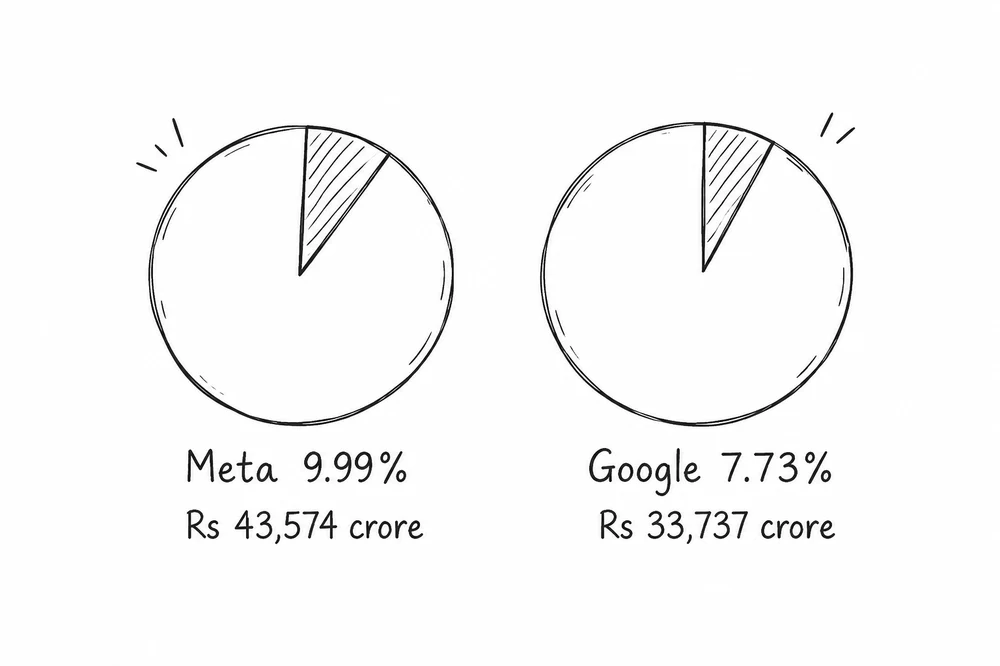
Facebook put in Rs 43,574 crore for 9.99% and Google Rs 33,737 crore for 7.73%, both in 2020. Meta now holds 9.98% before the issue.
A full year of it
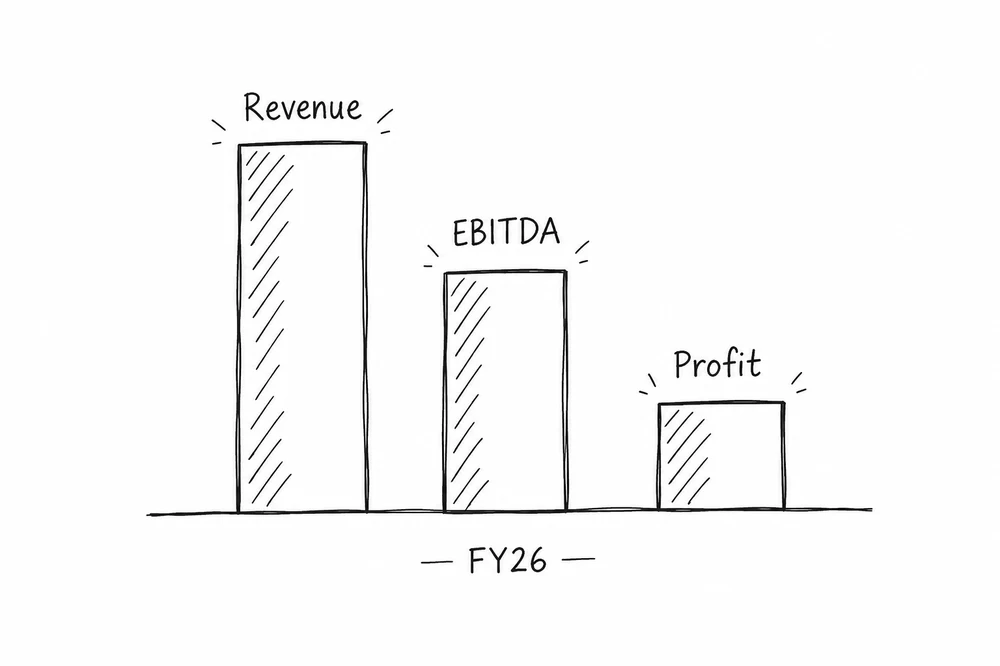
Revenue Rs 1,46,885 crore, EBITDA Rs 76,255 crore, profit after tax Rs 30,049 crore, after capex of Rs 34,184 crore.
Fresh shares, no seller
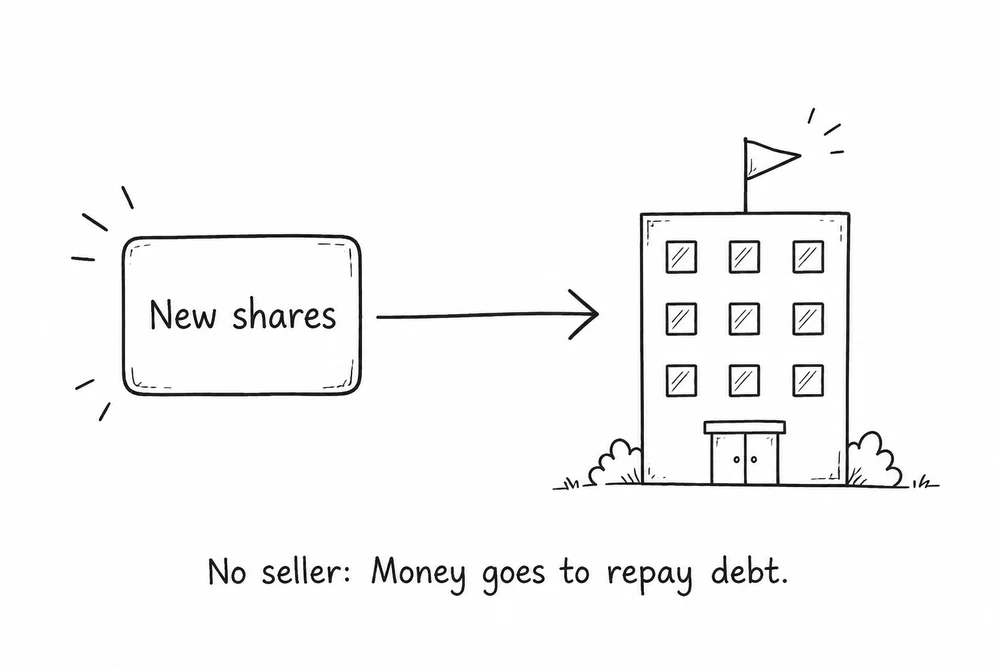
A fresh issue of up to 27 crore shares, with no offer for sale. Up to Rs 27,500 crore goes to repaying debt.
A balance sheet made lighter
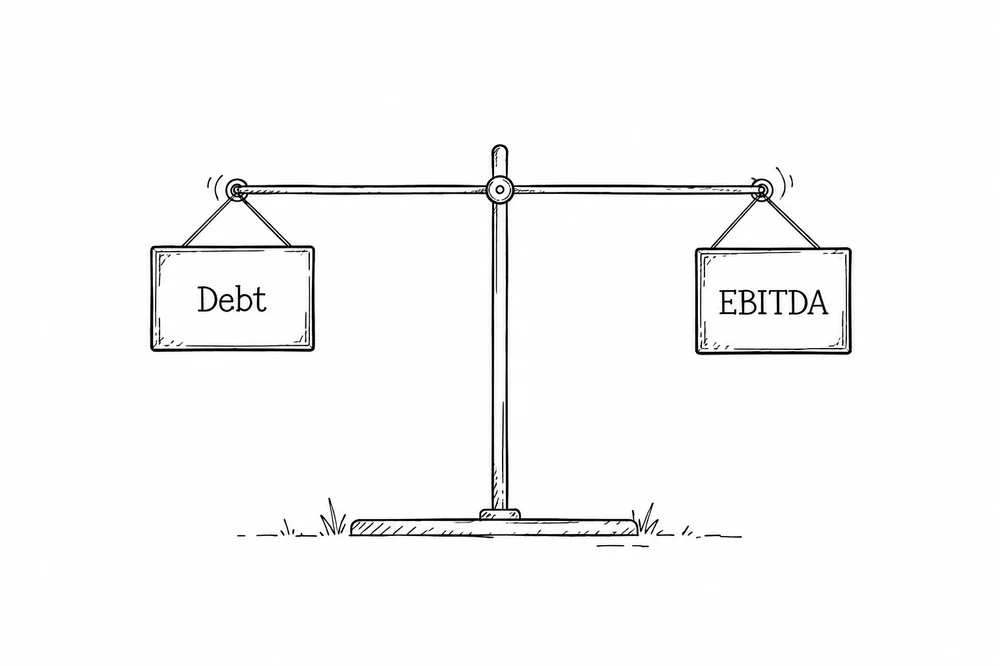
Net debt was Rs 27,579 crore at the end of FY26, 0.36 times EBITDA. With about Rs 1.05 lakh crore of deferred spectrum payments , roughly 1.7 times. That ratio is my arithmetic, and it is very manageable at a 52% margin.
Built on its own technology
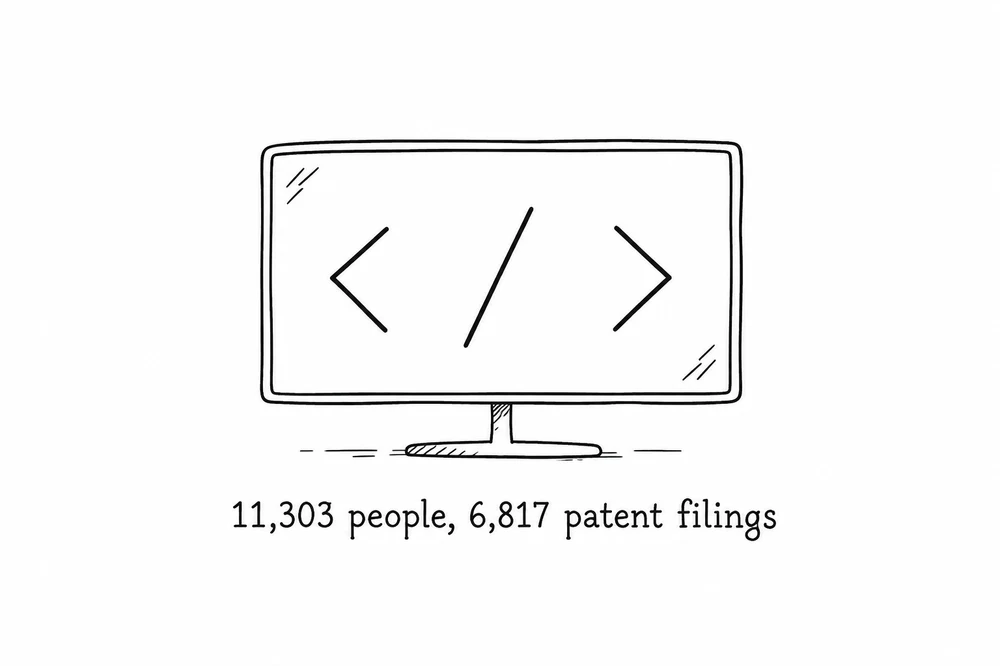
11,303 people in digital products and technology, about 40% of the workforce, and 6,817 patent applications. The DRHP says, citing Analysys Mason, no one else has an end-to-end 5G stack.
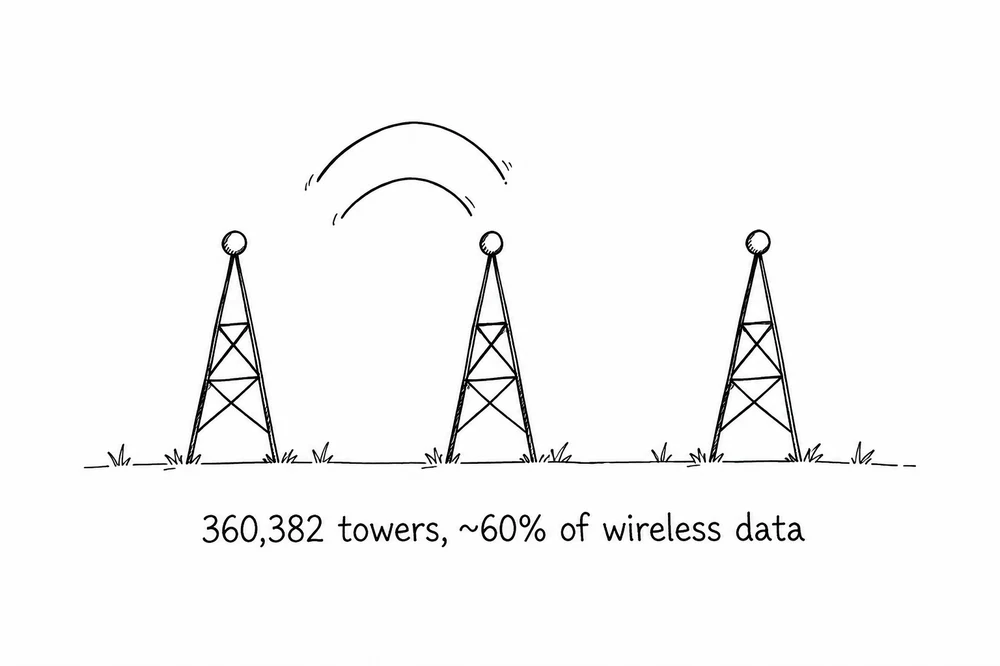
A network at national scale
360,382 towers, about 60% of India’s wireless data traffic in FY26, and about 1.4 times the 4G and 5G subscribers of the second largest player.
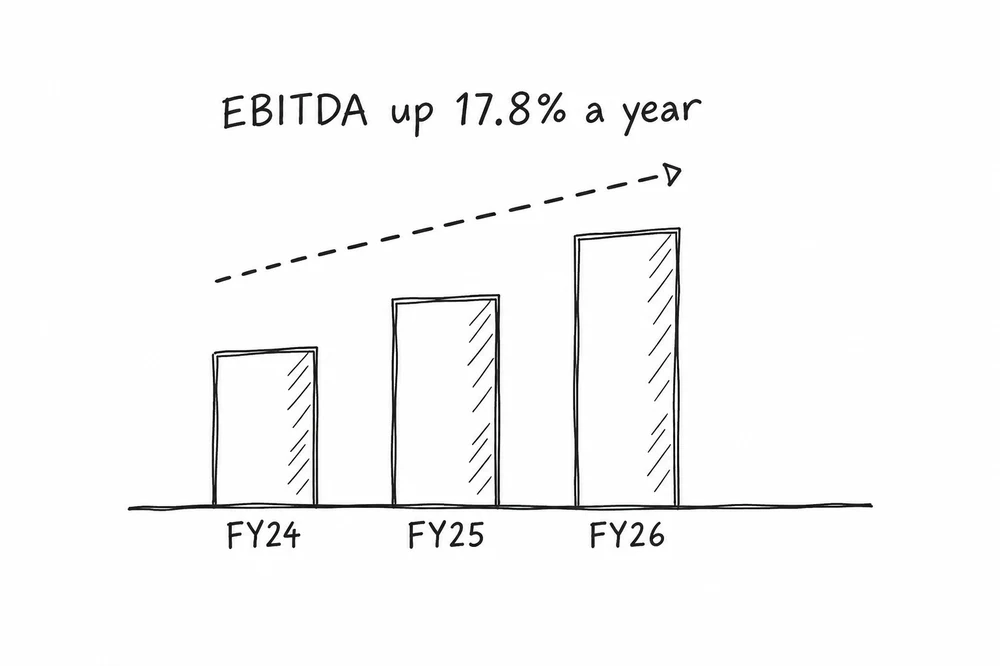
Growth with margin
FY26 EBITDA margin 51.91%. Revenue up 15.79% a year and EBITDA 17.79% a year from FY24 to FY26. Net leverage down from 0.88 times to 0.36 times.
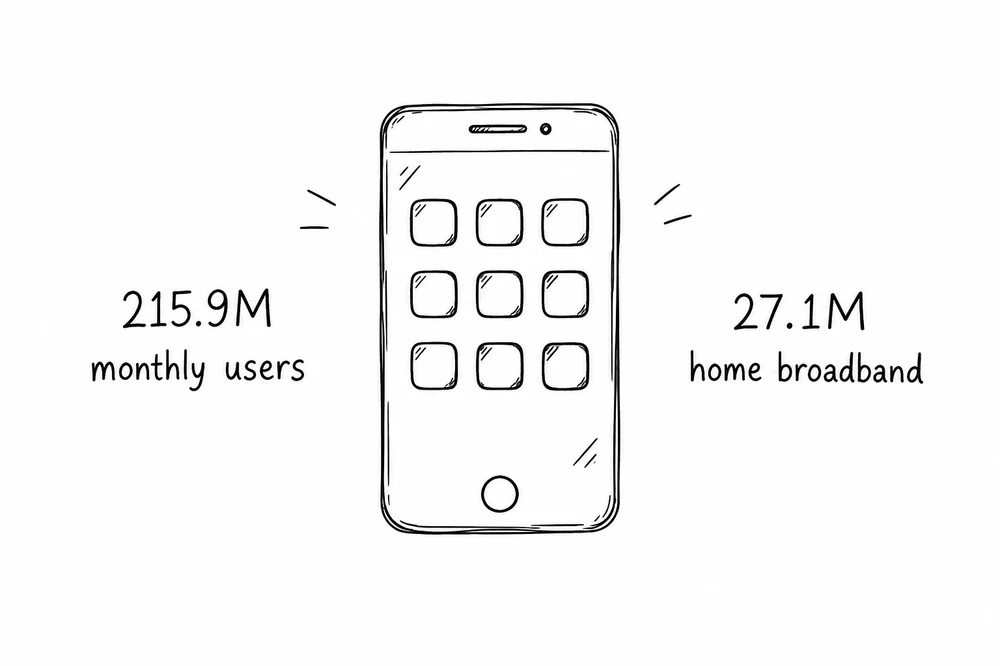
A gateway to customers
215.9 million monthly users on the MyJio app in FY26, and 27.1 million on JioFiber or JioAirFiber, the largest fixed broadband base in India per Analysys Mason.
Licence and spectrum
The unified licence is due for renewal in October 2033. Most spectrum runs to 2041 and 2042. The licensor can amend licence conditions.
Capex and borrowings
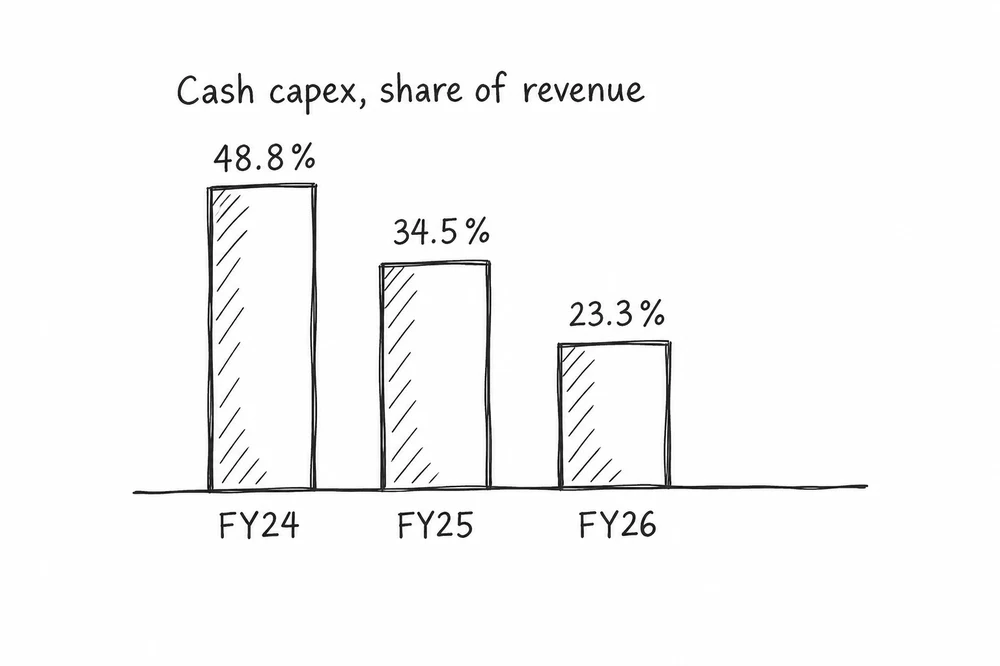
Cash capex was 23.27% of revenue in FY26, down from 48.84% in FY24. Borrowings are still listed as a risk, and the network needs steady investment.
Customers and competition
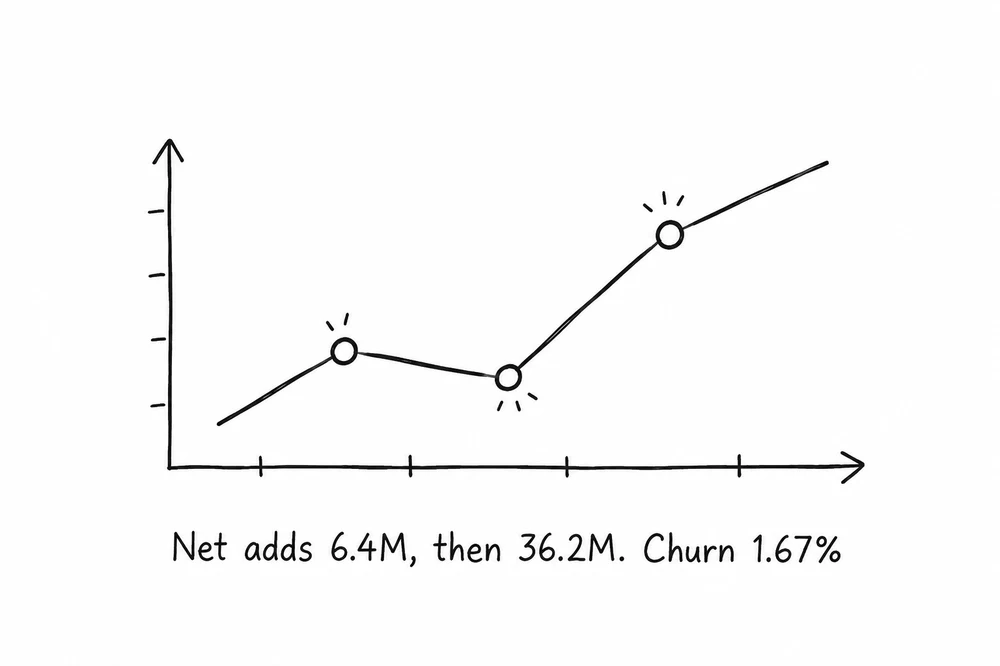
Net additions were 36.2 million in FY26 against 6.4 million in FY25. Monthly churn was 1.67%. Competitors can price or serve harder.
Ties to the Reliance Group
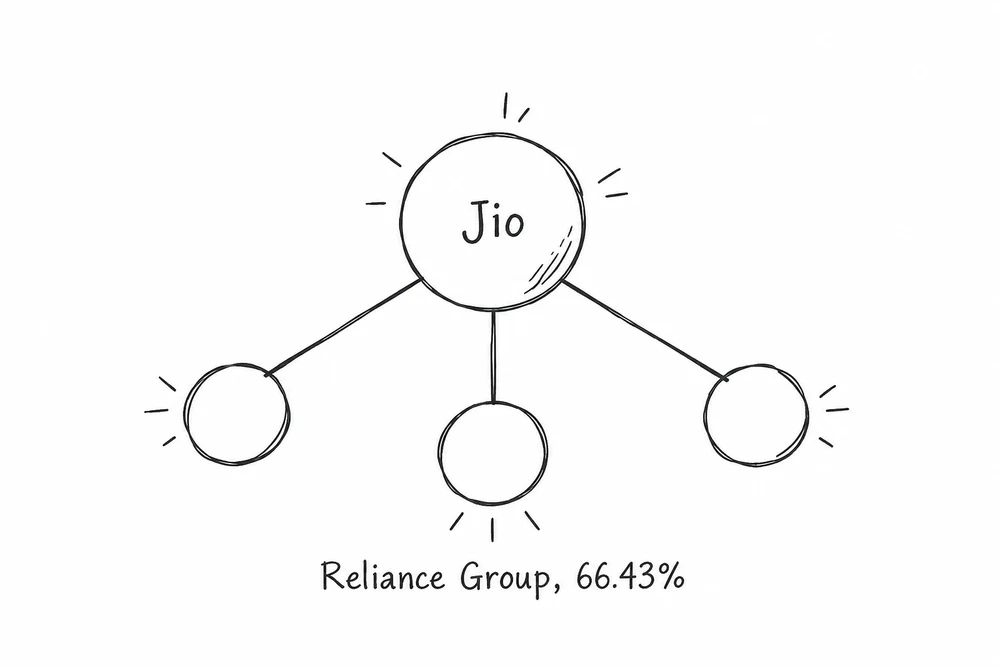
The promoter holds 66.43% before the issue, and Jio buys from group companies. The DRHP says it cannot be sure outsiders would not have offered better terms.
Regulation and legal
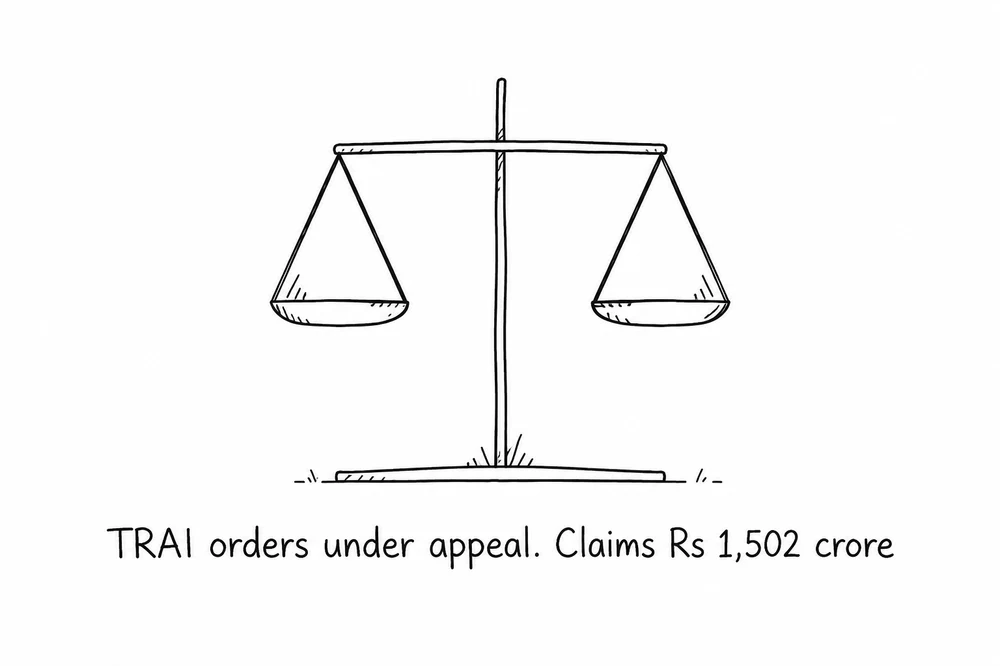
TRAI financial disincentives of about Rs 27.1 crore are under appeal. Disputed claims not acknowledged as debt are Rs 1,502 crore, which the company expects to be reduced.
Home broadband over 5G
Jio holds 9.419 million of the 13.453 million 5G fixed wireless connections, a 70.01% share (TRAI, August). Airtel is a real competitor, and Jio is ahead for now.
Valuation and the discount
At Rs 11 lakh crore, Reliance’s roughly 66.5% would be worth about Rs 7.3 lakh crore. My starting value in the holding company post was Rs 13 lakh crore for all of Jio. A listed price will show how much of a discount the market charges. Read: Holding company discount
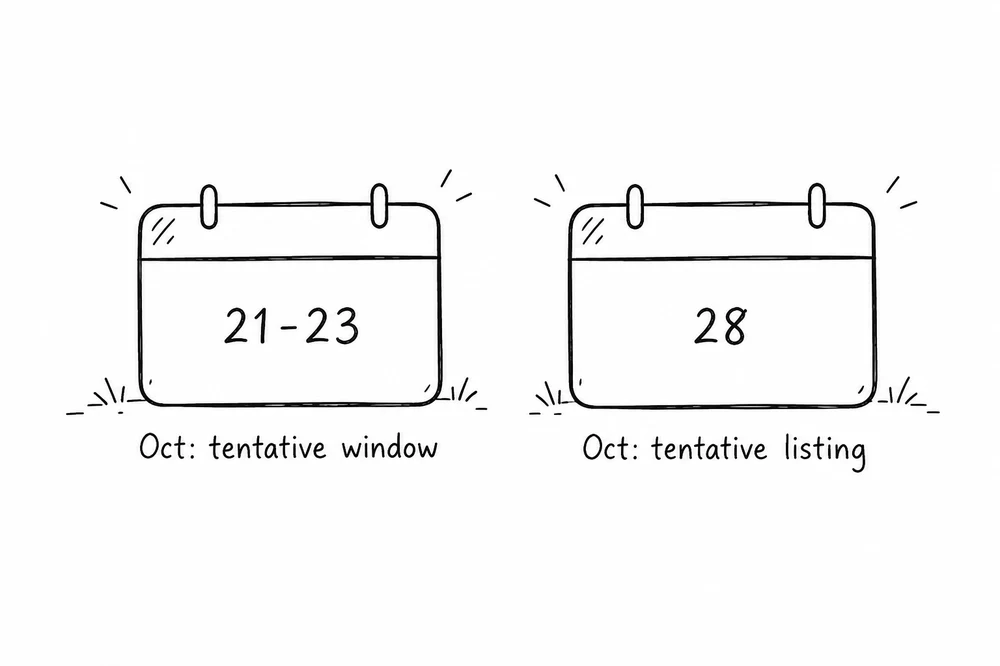
Dates are provisional
Sources say the issue opens 21 October and closes 23 October, with listing on 28 October and a price band of Rs 1,150 to 1,220. Jio has not confirmed any of it. Treat all of it as provisional.
Jio’s IPO papers describe a very large and very profitable business, and an IPO built to make it stronger. There is no seller. Every rupee of new money goes into the company, and up to Rs 27,500 crore of it goes to repaying debt.
The business
As of 30 June 2026, Jio had 533.3 million customer connections, 285 million of them on 5G. That is connections, not unique people, because one person can hold more than one. ARPU for the June quarter was Rs 215.6. Revenue for the quarter was Rs 39,173 crore and EBITDA was Rs 20,865 crore, a 53.3% margin (draft red herring prospectus, Reliance’s Q1 FY27 results).
For FY26, revenue was Rs 1,46,885 crore, EBITDA Rs 76,255 crore and profit after tax Rs 30,049 crore. Capex was Rs 34,184 crore, so EBITDA less capex was about Rs 42,071 crore. That is not free cash flow, since interest, tax and spectrum payments still come out of it, but it shows how much the business earns after investing in its network.
How it got here
The speed is part of the story. In February 2017, Jio said it had crossed 100 million customers in 170 days, which works out to about 7 new customers every second, and called it the fastest any start-up technology company had reached that mark, ahead of Facebook, WhatsApp and Skype (Reliance media release, 21 February 2017). That is the company’s own claim, but the 100 million figure is a number it published at the time.
The second story is who came in later. In April 2020 Facebook agreed to put Rs 43,574 crore into Jio Platforms for 9.99% (Reliance release). In July 2020 Google announced Rs 33,737 crore for 7.73% (Reliance release). Meta’s stake is 9.98% in the prospectus, a hair lower than at signing. Two of the world’s biggest technology companies chose to be long-term shareholders, and they are still there.
What the IPO does
The issue is a fresh issue of up to 27 crore shares, with no offer for sale. So no existing shareholder is selling. Before the issue, Reliance holds 66.43%, Meta 9.98% and Google 7.73%. Up to Rs 27,500 crore of the proceeds goes to repaying debt.
Net debt at the end of FY26 was Rs 27,579 crore, which is 0.36 times EBITDA. Jio also owes deferred spectrum payments, with a principal of Rs 1,04,514 crore. Together that is about Rs 1.32 lakh crore, or roughly 1.7 times FY26 EBITDA. That ratio is my arithmetic, not one the prospectus gives, and the spectrum dues are spread over years. For a business with a 52% margin it is very manageable, and the IPO makes the first part smaller. If you read the DRHP looking for a big new bet, the use of proceeds will not show one. For a company already this large, a clean balance sheet is a reasonable use of new money.
Strengths and risks, as the prospectus lists them
The DRHP has a section on strengths and a long section on risk factors. These are the points I would pull out of each, all from the document itself (DRHP). Where it cites the Analysys Mason industry report, that report was commissioned and paid for by Jio.
Strengths
- Own technology. 11,303 people work on digital products and technology, about 40% of the workforce, and the company has applied for 6,817 patents. The DRHP says, citing Analysys Mason, that it is the only digital connectivity provider globally with an end-to-end 5G stack.
- Reach. 360,382 towers, about 60% of India’s wireless data traffic in FY26, and about 1.4 times the 4G and 5G subscribers of the number two player. Wireless coverage is above 99% of the population.
- Track record. FY26 EBITDA margin of 51.91%. Revenue grew 15.79% a year and EBITDA 17.79% a year from FY24 to FY26, and net leverage fell from 0.88 times to 0.36 times.
- A gateway to customers. The MyJio app averaged 215.9 million monthly users in FY26, and 27.1 million customers use JioFiber or JioAirFiber, the largest fixed broadband base in India per Analysys Mason.
Risks
- Licence and spectrum. The unified licence is due for renewal in October 2033, most spectrum runs to 2041 and 2042, and the licensor can change licence conditions.
- Debt and capex. The prospectus lists borrowings as a risk. Cash capex was Rs 34,184 crore in FY26, 23.27% of revenue, down from 48.84% in FY24, but the business still needs steady investment.
- Customers and competition. Net customer additions were 36.2 million in FY26 against 6.4 million in FY25, and monthly churn was 1.67%. Competitors can price or serve more aggressively.
- The Reliance Group. The promoter holds 66.43% before the issue. Jio buys equipment and services from group companies, and the DRHP says it cannot be sure it would not have got better terms from outsiders. It also relies on a few providers for towers: 174,451 of its towers belong to Summit Digitel.
- Regulation and legal. TRAI imposed financial disincentives of about Rs 27.1 crore across 17 orders, which Jio has appealed, and TDSAT has restrained coercive action for now. Disputed claims not acknowledged as debt were Rs 1,502 crore, which the company expects to be deleted or substantially reduced.
None of this changes the plain picture above. It is what the company itself tells you to read before you decide.
Where the next growth comes from
The line I would watch is home broadband delivered over 5G. In TRAI’s August report, released on 28 September, Jio had 9.419 million of the 13.453 million 5G fixed wireless connections, a 70.01% share.
Airtel is a real competitor here. It said in its Q4 FY26 earnings call in May 2026 that its fixed wireless service already runs fully on standalone 5G. Jio is ahead in the race for now.
One note if you compare the two companies. Jio’s usage and churn figures include fixed broadband. Airtel’s are mobile only, so a side-by-side table looks more comparable than it is.
What I would watch
The prospectus gives Airtel a price-to-earnings ratio of 42.27 times FY26 diluted earnings as of 17 June 2026. A listed Jio will be compared with that number. Airtel’s earnings come from several businesses and Africa, so the comparison needs care. For why a conglomerate can trade below its parts, I wrote about it in What Is a Holding Company Discount?
On 6 October, Bloomberg reported that Jio is likely to seek about Rs 11 lakh crore, below the roughly Rs 12.5 to 16.5 lakh crore floated earlier. At that value, Reliance’s roughly 66.5% would be worth about Rs 7.3 lakh crore. My starting value for all of Jio in the holding company post was Rs 13 lakh crore, so a listed price will show how much of a discount the market charges. Read: Holding company discount
On timing, Economic Times reports from sources that the issue opens 21 October and closes 23 October, with listing on 28 October and a price band of Rs 1,150 to 1,220. Jio has not confirmed any of it, so treat all of it as provisional.
A large profitable business is selling new shares to repay debt, and the next growth line is already ahead of its rival.