Anchor investors
Before an IPO opens to you, big institutions have often already bought in. Their book is one of the more useful signals you get.
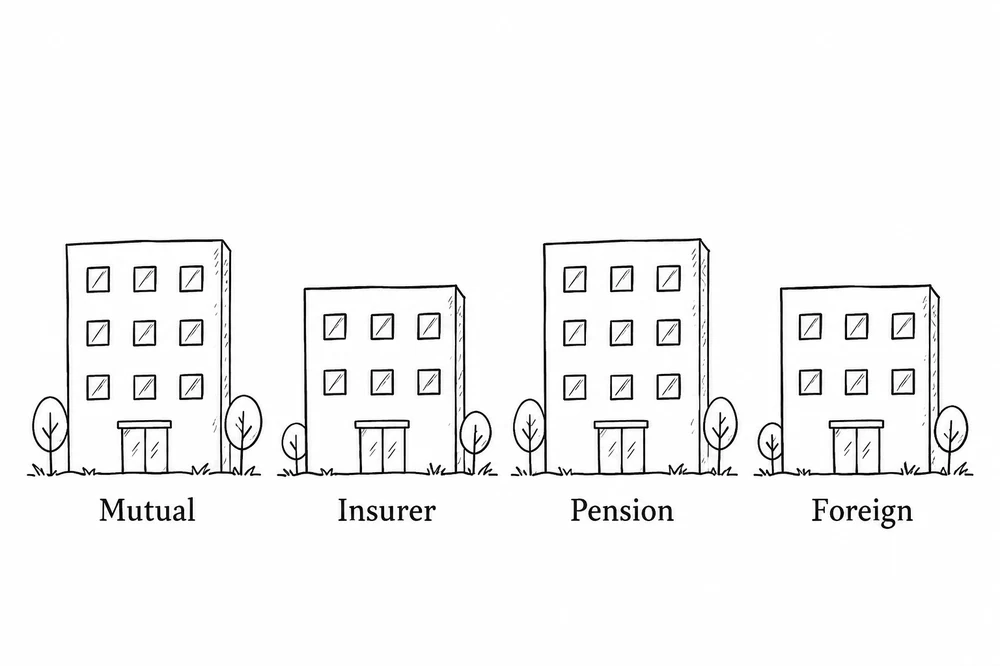
Who anchors are
Mutual funds, insurers, pension funds and foreign institutions, all QIBs . They bid the day before the issue opens, at the issue price. Their shares come from the institutional portion, not your retail quota.
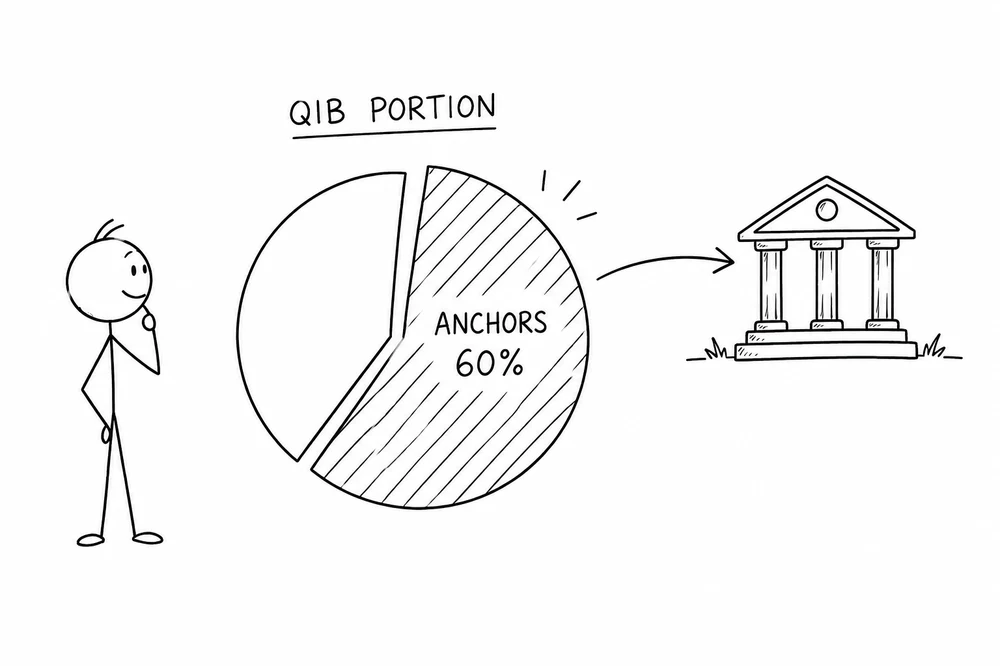
Up to 60% of the QIB portion
Companies can give up to 60% of the institutional portion to anchors. So a big anchor share is not a sign of wild enthusiasm. It is regulation at play. In Ola Electric’s IPO, 45% went to anchors.
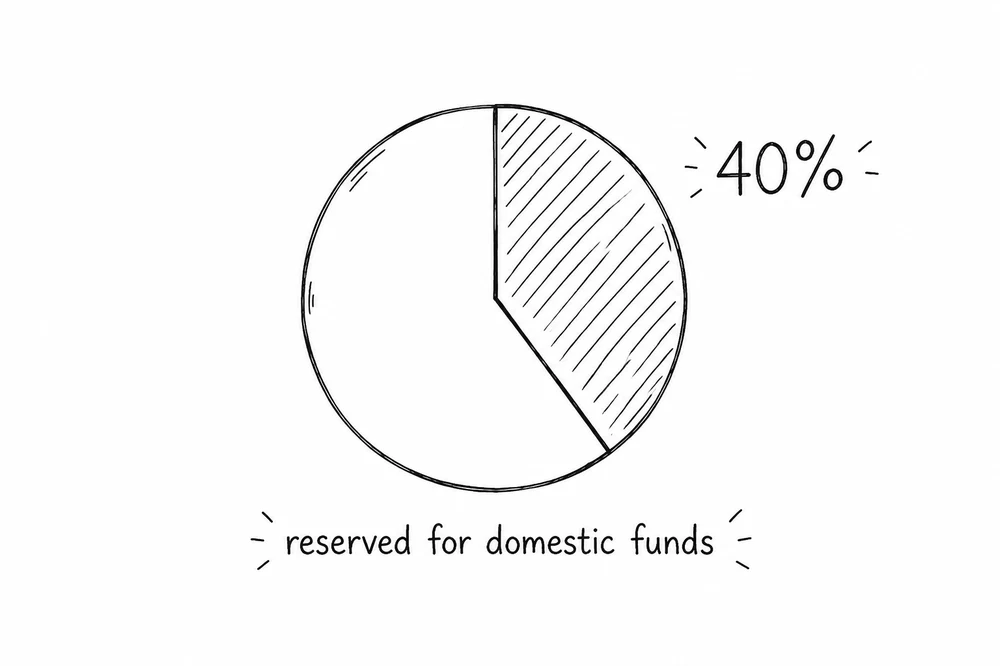
40% is reserved for domestic funds
Since 1 December 2025, 40% of the anchor portion is reserved for domestic funds. 33.33% goes to mutual funds, 6.67% to life insurers and pension funds. Each anchor takes at least Rs 5 crore.
They can’t sell right away
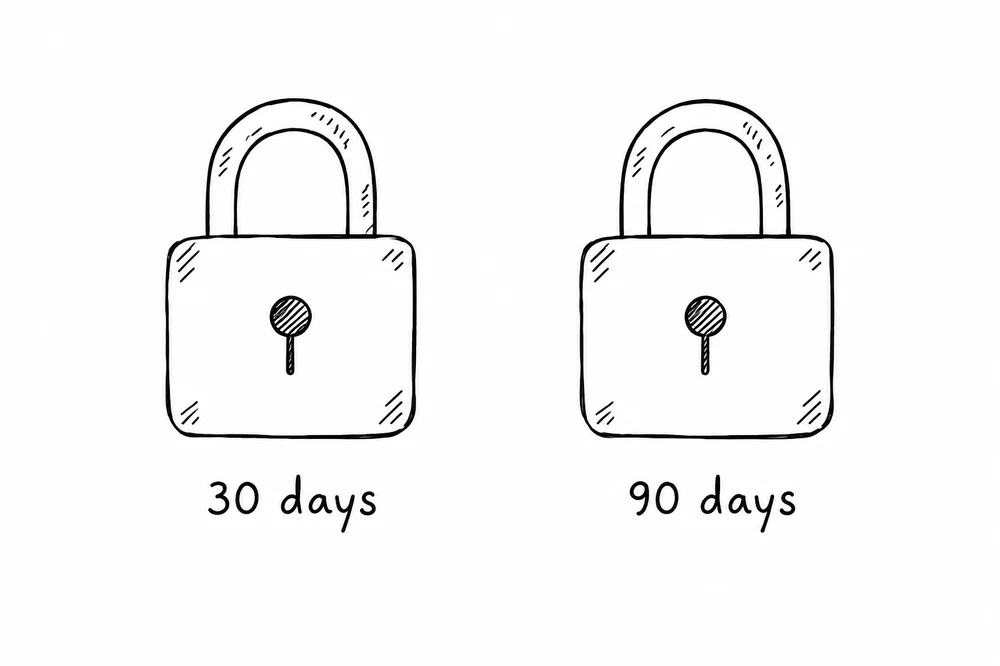
Half of the anchor shares are locked in for 30 days from allotment . The other half for 90 days. That commitment is why the book is a credible signal.
Do anchors stay anchored?
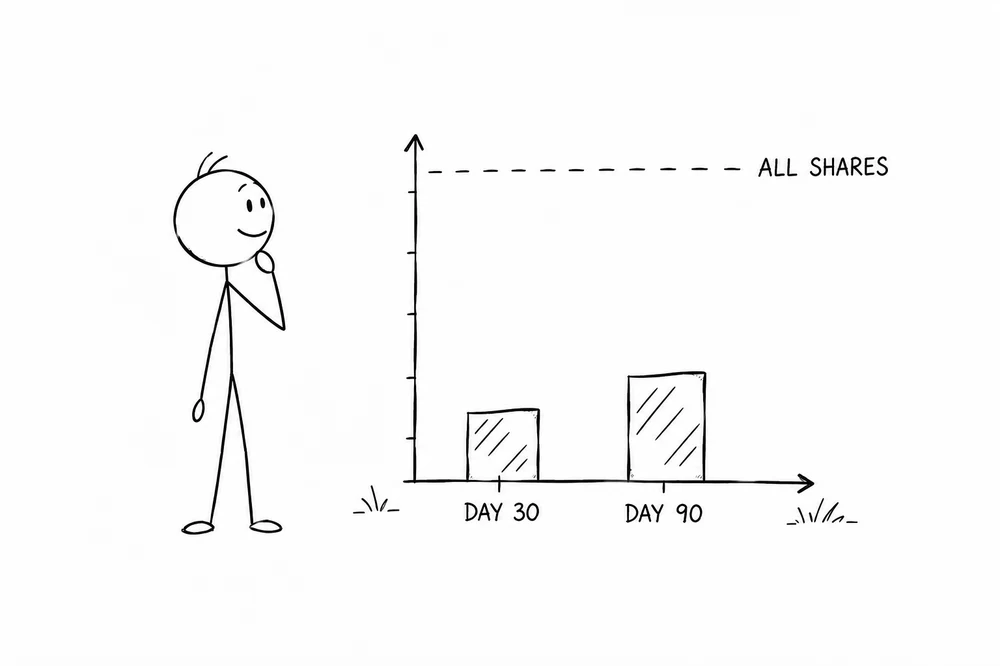
SEBI looked at 242 mainboard IPOs. Anchors sold about 3% of their shares after the first unlock and about 17% after the second. In IPOs under Rs 250 crore, it was 32% by day 90.

What to look at
Who the buyers are: several funds say more than one related group. How much sits in the reserved domestic slice. And the allotment date. Strong anchor demand in a fresh issue is the better case.
Dates to mark
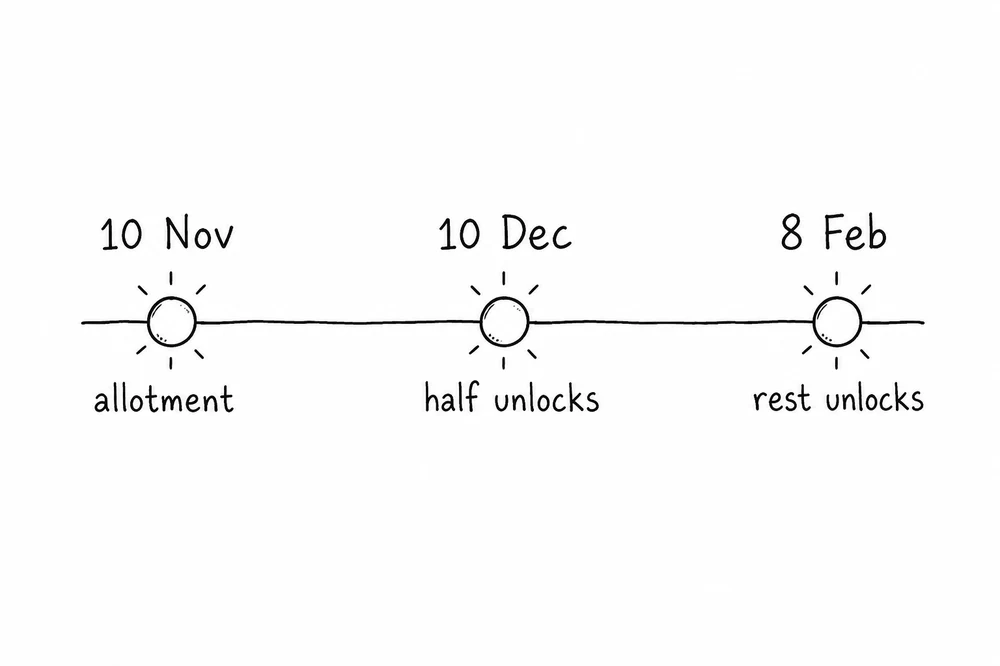
Lock-in is the period when a holder cannot sell. For anchors it runs 30 days on half the shares and 90 days on the rest, from allotment. Say shares are allotted on 10 November. Half unlock on 10 December and the rest on 8 February. Every other group has its own clock by the way. Read: IPO lock-in date
When an IPO opens, a handful of institutions have usually already bought in. They are anchor investors, and their book is one of the more useful signals you get before you apply. A group of large buyers has looked at the price, agreed to it, and agreed not to sell for a while. That is worth reading closely.
What an anchor investor is
An anchor investor is a qualified institutional buyer, such as a mutual fund, insurer, pension fund or foreign institution, that bids for shares the day before the public issue opens. They are allotted shares at the issue price out of the QIB portion, so they do not take shares away from the retail quota. The company gets demand and a price it can show everyone else before the issue opens.
Up to 60% of the portion for qualified institutional buyers can go to anchors, at the company’s discretion. A large anchor share is therefore not by itself a sign of wild enthusiasm. In the Ola Electric IPO the institutional book was 75% and anchors took 45%, which is simply 60% of 75%, as I wrote on LinkedIn.
The 2025 rule changes made the signal better. SEBI’s 2025 amendment, in force from 1 December 2025, reserves 40% of the anchor portion for domestic funds: 33.33% for mutual funds and 6.67% for life insurers and pension funds. Before that, only mutual funds had a reservation, of one-third (SEBI board paper, September 2025). Each anchor has to take at least Rs 5 crore. For an anchor portion up to Rs 250 crore there can be between 2 and 15 anchors, and above that 15 more for every extra Rs 250 crore or part of it (SEBI ICDR Regulations, Schedule XIII). So the book is made of a limited set of serious buyers, with a meaningful share of long-horizon domestic money.
Why the lock-in makes the signal credible
Anchors cannot sell straight away. Half of their shares are locked in for 30 days from allotment and the other half for 90 days (SEBI board paper, April 2022). Institutions are paying the issue price and accepting that they cannot exit for one to three months. A buyer who accepts that has made a real commitment.
It also gives you a calendar. If shares are allotted on 10 November, the first half unlocks on 10 December and the rest on 8 February. You know in advance when the first and second blocks of anchor shares become free to sell, so those dates are easy to plan around. The clocks for promoters and other pre-IPO shareholders are in the IPO lock-in date article.
Do anchors stay anchored?
SEBI published a study of 242 mainboard IPOs listed between April 2022 and October 2025. Anchors sold about 3% of their allotment after the first unlock and about 17% by the second, so most of the book was still held after the lock-in ended. Issues under Rs 250 crore saw 32% sold by day 90. Foreign portfolio investors were the larger sellers: about 60% of their anchor shares were gone within a year, against 38% for mutual funds (SEBI study, 13 August 2026).
How to use an anchor book well
The red herring prospectus and the post-allotment announcement list the anchors and the shares each one received. A few things are worth reading:
- Who the buyers are. A book with several mutual funds, insurers and pension funds says more than one made up of a single group of related investors.
- How much sits in the reserved domestic slice, since that is the long-horizon money.
- The allotment date, so you can add 30 and 90 days.
Read it together with the structure of the issue. In an offer for sale the money goes to the sellers, and in a fresh issue it goes to the company. Strong anchor demand in a fresh issue is the better case, because the business is the one raising the funds.
An anchor book also does not decide how the rest of the issue goes. The retail quota still runs on its own allotment process, which I explained in how IPO allotment works, and subscription still has to clear, as I covered in what happens if an IPO is not fully subscribed.
A strong anchor book means serious buyers took the price with a lock-in attached, and the lock-in dates tell you when to look again.