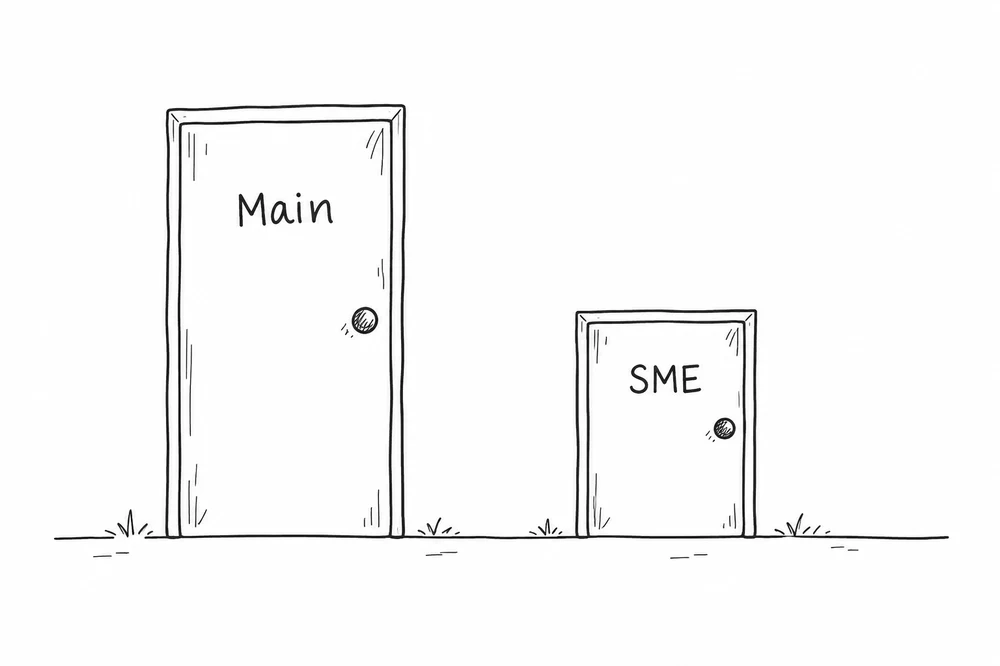
Mainboard vs SME IPO
The board an IPO lists on tells you what the company had to prove before it could ask you for money.

A multi-year profit record
Net tangible assets of Rs 3 crore in each of the last 3 years, average operating profit of Rs 15 crore over the last 3 years with a profit in each, and net worth of Rs 1 crore each year.
No profit record? Institutions step in
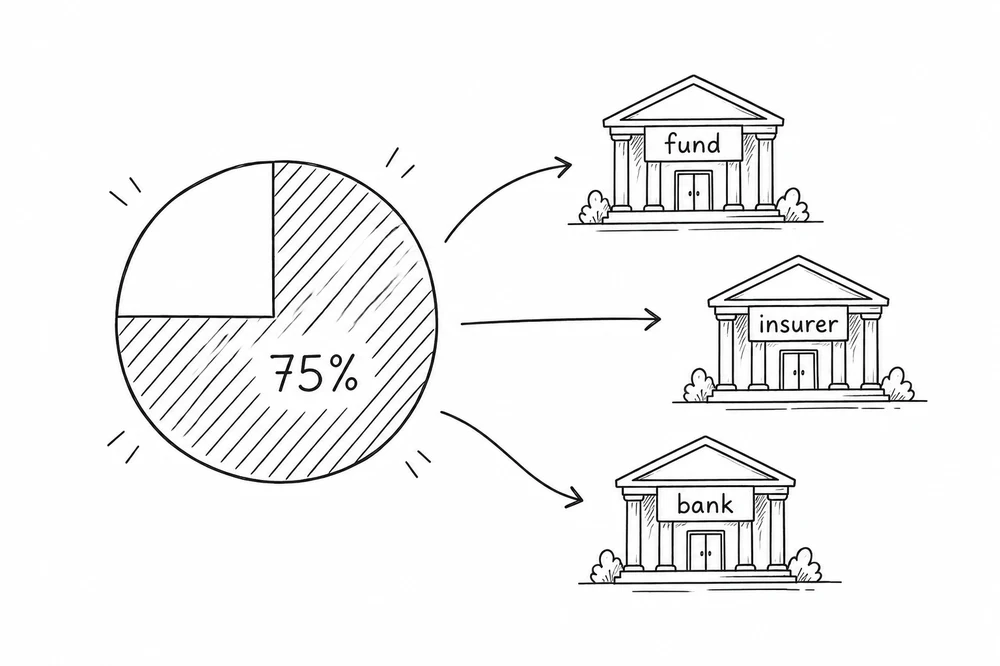
A company that misses the profit tests can still list. The issue goes through book building and at least 75% of the net offer is allotted to QIBs . If that does not happen, all the money is refunded.
Smaller, but still tested
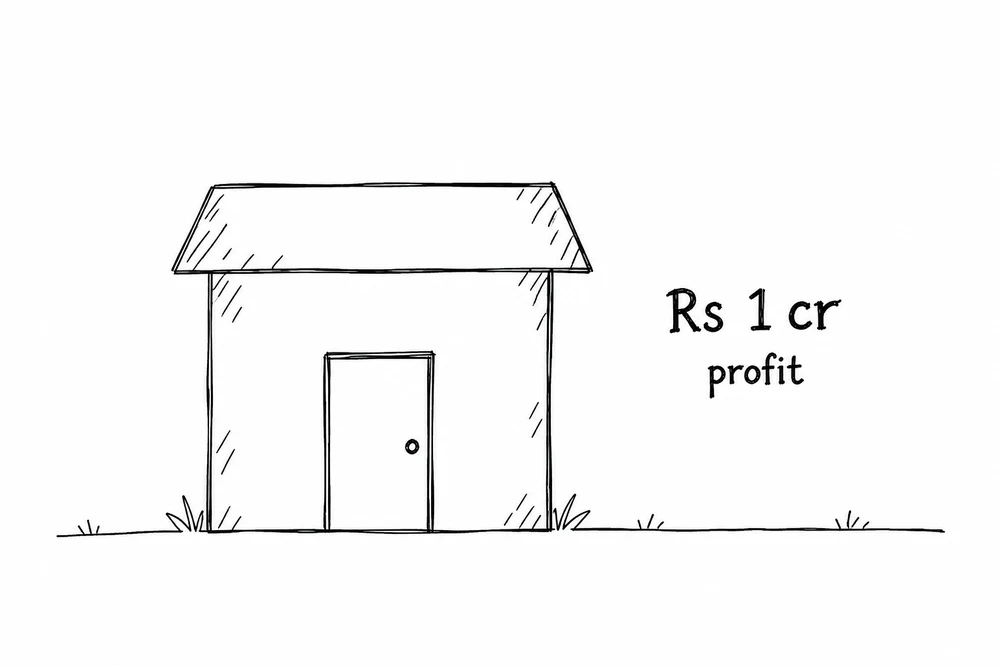
SME IPOs list on NSE Emerge or the BSE SME platform. On NSE Emerge: paid-up capital up to Rs 25 crore, a 3-year track record, operating profit of Rs 1 crore in 2 of 3 years, positive net worth and positive free cash flow to equity . There is no QIB route for SME: the profit test is a must.
2025 tightened the SME route
Minimum application is now Rs 2 lakh, or 2 lots . Offer for sale is capped at 20% of the issue. Promoter loans cannot be repaid from proceeds. Drafts stay public for 21 days.

A lottery for SME HNIs
In book-built SME IPOs, the HNI category now gets a draw of lots. It used to be proportionate. Mainboard already worked this way. This is bound to reduce bids in the SME space.

A 90% cap on listing day
SME listing prices are found in a pre-open session. Since 4 July 2024, NSE caps the gap between issue price and listing price at 90%. BSE already had this limit. The daily price circuits stay as they were.

What may change next
SEBI is reviewing the SME framework. One idea is raising the post-issue paid-up capital limit from Rs 25 crore to Rs 100 crore, and easing the Rs 2 lakh minimum application. It is a proposal, not a rule.

What it means for you
Mainboard lets you lean on a profit history or on institutions taking 75% of the offer. SME asks you to read the offer document yourself. The board tells you who checked the company. The document tells you what they found.
Mainboard and SME IPOs look alike on your broker app. Both have a price band, a lot size and an allotment. But they sit behind different eligibility rules, and the rules are the quickest way to see what kind of company you are looking at. The board an IPO lists on tells you what the company had to prove before it could ask you for money.
What a mainboard issuer has to show
The mainboard route most companies use is the profitability route. It asks for net tangible assets of at least Rs 3 crore in each of the three preceding years, average operating profit of at least Rs 15 crore over the preceding three years, with an operating profit in each of those years, and net worth of at least Rs 1 crore in each of the three preceding years (SEBI ICDR Regulations, Regulation 6(1)). A company that misses any of these can still list through the QIB route. The issue has to be book built, and the company has to allot at least 75% of the net offer to qualified institutional buyers, or refund all the subscription money (SEBI ICDR Regulations, Regulation 6(2), also explained in the SEBI FAQ on public issues). The 75% is an allocation to institutions, not a subscription level.
So most mainboard companies have a multi-year profit record at scale before the issue. The ones that do not are QIB-route issues, where institutions take at least three quarters of the offer.
What an SME issuer has to show
SME platforms are built for smaller companies. An SME IPO lists either on NSE Emerge or on the BSE SME platform (BSE SME listing criteria). The numbers below are for NSE Emerge. On NSE Emerge, the post-issue paid-up capital cannot be more than Rs 25 crore, the company needs a three-year track record, operating profit of Rs 1 crore in at least two of the last three years, a positive net worth, and positive free cash flow to equity in at least two of three years (NSE Emerge eligibility criteria). SEBI also made the profit test part of the regulations in March 2025, so it now applies to SME IPOs across exchanges (summary of the March 2025 ICDR amendments).
Unlike the mainboard, SME has no QIB route as a fallback. The profit test in Regulation 229(6) of the ICDR rules is a must. The bar is lower in size and tighter than it used to be. A business with Rs 1 crore of operating profit can list, which means you get access to companies at a stage the mainboard does not reach.
How the 2025 changes tightened the SME route
The same March 2025 amendments changed how SME issues work for you as an investor. The minimum application went from Rs 1 lakh to Rs 2 lakh, with a minimum of two lots. Offer for sale is capped at 20% of the issue size. Repayment of loans from promoters and related parties out of the proceeds is not permitted. The draft offer document has to be public for at least 21 days for comments, and the lead manager has to submit a due diligence certificate with a site visit report. Every one of these is a check that did not exist before, so SME disclosure is better than it was a year ago. The source for all of these is the same summary.
SME HNI bids now go by lottery
In book-built SME IPOs, the HNI category (non-institutional investors) now gets a draw of lots instead of proportionate allotment. This was already the way in mainboard IPOs, so SME HNI bids were getting different treatment. It is bound to reduce bids in the SME space (my note from May 2025).
Listing day has a cap
SME IPOs list after a pre-open session that finds the listing price. For mainboard IPOs that price can be anything. For SME IPOs, NSE has capped the gap between issue price and listing price at 90% since 4 July 2024. BSE already had the limit. The daily price circuits did not change (what I wrote in July 2024). The exchanges also now reject duplicate PANs at the application, so those applications no longer show up in the subscription numbers.
What may change next
SEBI is reviewing the SME framework. The proposals reported in August 2026 raise the post-issue paid-up capital limit from Rs 25 crore to Rs 100 crore, and ease the Rs 2 lakh minimum application and the market-making and underwriting rules (BusinessLine, 13 August 2026). The proposals have not been notified, so the rules above still apply.
What this means when you apply
The two boards ask different questions of you. A mainboard issue usually lets you rely on a long profit history and a large shareholder base. When it has no profit record, the 75% QIB allocation is the check: institutions have to take most of the offer. An SME issue asks you to read the offer document yourself, because the company is smaller, the track record shorter and the application size larger. The 2025 rules make that reading easier, and a lot of the information that matters is in the document, such as what the proceeds will be used for and how much of the issue is an offer for sale (see OFS vs fresh issue).
If you apply through UPI, the process is the same on both boards, as in what ASBA means in an IPO. The difference is in how much of the diligence you have to do.
The board tells you who has checked the company, and the offer document tells you what they found.