UPI MDR
Update, 13 October: NPCI has deferred this beyond Diwali. New date to come.
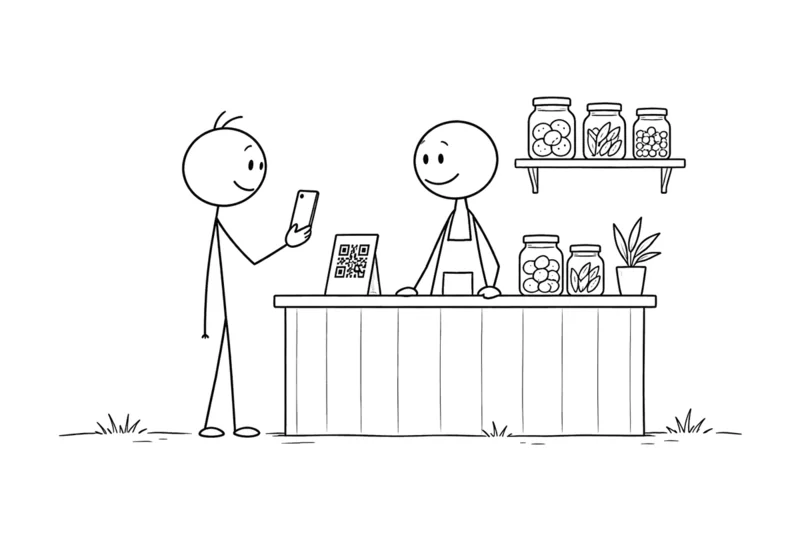
Once it starts, if you pay a shop Rs 10,000 on UPI, there will be a Rs 40 fee on it. You won’t pay it (directly :)). The shop will.

The journey
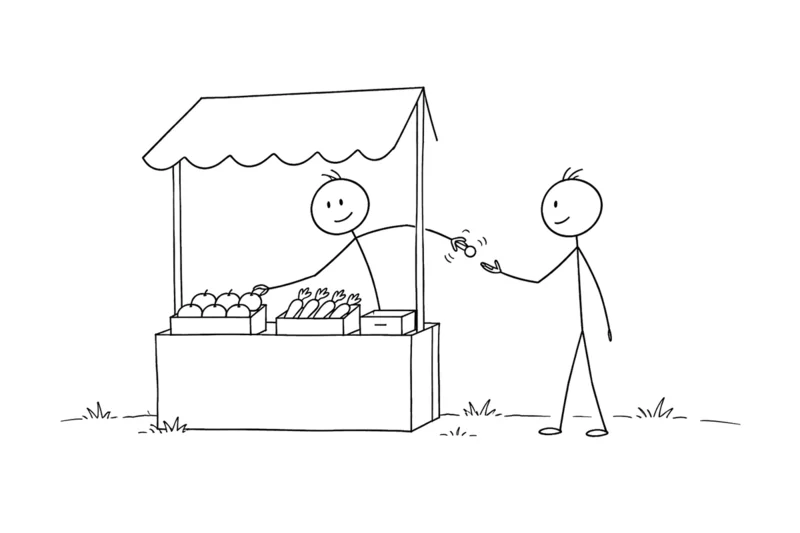
You pay Rs 0 directly, but you’re sort of paying the Rs 40. The shop pays it, and everyone down the line keeps a bit.
Where the Rs 40 goes
The shop’s bank keeps Rs 12 and passes the rest on. Your bank keeps Rs 16, the app’s bank Rs 4, and the app Rs 8.
None of it goes to NPCI. It still gets paid, just not out of the MDR: it charges a switching fee to both banks, yours and the shop’s, on its own terms. And it’s doing fine anyway: about Rs 1,500 crore profit on Rs 4,000 crore revenue in 2024-25, with only Rs 210 crore spent on tech.
What a payment costs
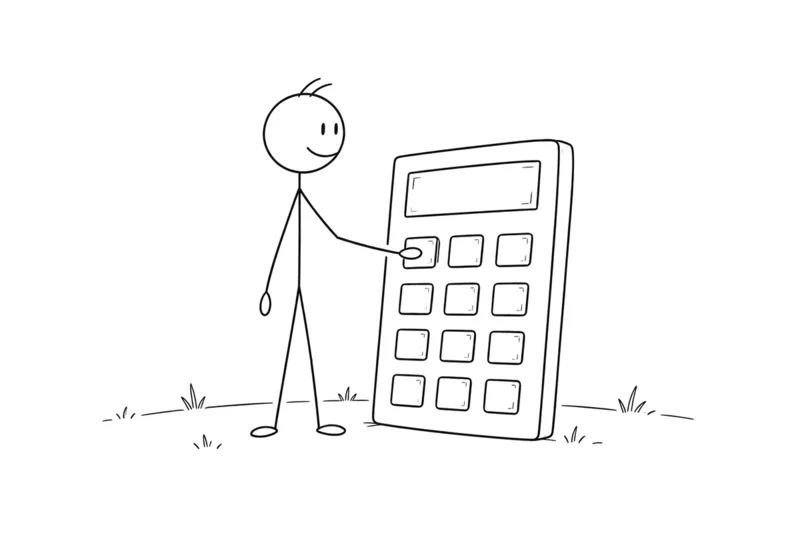
It’s 0.4% on anything above Rs 2,000, and it tops out at Rs 300. Put in any amount and see.
Who doesn’t pay
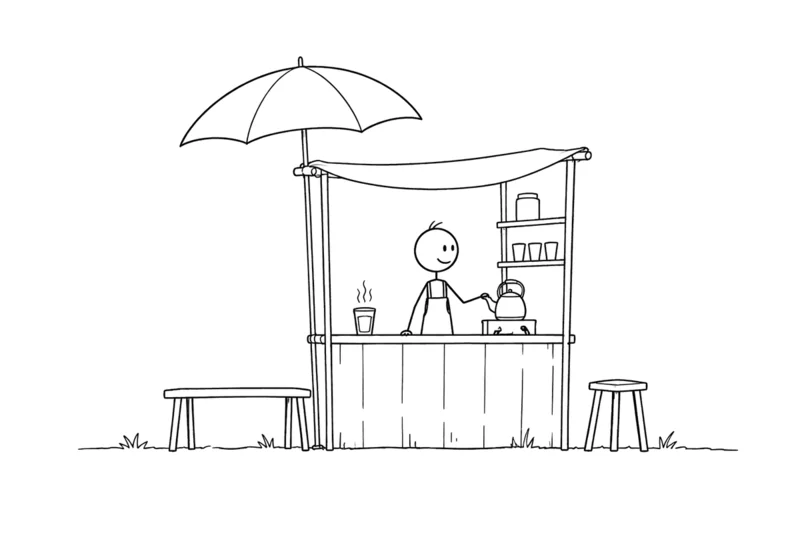
Sending money to a friend is still free. So is paying a shop Rs 2,000 or less, and so is any small shop taking under Rs 1 lakh a month.
Fuel, railways, utilities and insurance pay a flat Rs 5. Stocks and mutual funds pay 0.02%. I first thought loan repayments would get super expensive. Turns out they’re capped at Rs 5 too.
Who gets paid how much
Utilities · Agri inputs · Education · Loan repayment
Broking Industry Cost
Stocks and mutual funds pay 0.02%. Here is what that adds up to, from NPCI’s public data on capital-market UPI payments (MCC 6211), under two fee scenarios.
| FY | Vol (cr) | Value (₹ cr) | 2 bps | ₹5 flat |
|---|---|---|---|---|
| FY22 | 18.6 | 1,54,555 | 30.91 | 93 |
| FY23 | 29 | 2,30,234 | 46.05 | 145 |
| FY24 | 47.9 | 4,11,599 | 82.32 | 240 |
| FY25 | 76.1 | 6,96,098 | 139.22 | 381 |
| FY26 | 77.9 | 6,83,626 | 136.73 | 390 |
| FY27* | 38.2 | 3,25,272 | 65.05 | 191 |
Costs in ₹ crore. *April to August 2026. FY25 and FY26 include months where NPCI did not report MCC 6211 separately (it fell outside the top 29 codes by volume); those are estimated from the previous reported month.
At the actual 2 bps, the bill was about ₹137 crore in FY26. A flat ₹5 would have been nearly three times that.
The wrong question
Every UPI debate starts with why the government is spending money on it. I’d rather ask what India would have spent without it.
From FY22 to FY25, the RBI spent about Rs 21,000 crore just printing notes. UPI and RuPay incentives cost about Rs 8,000 crore.
How big is the pool
Payments above Rs 2,000 are only about 4% of shop payments, but about 66% of the money. At the full 0.4%, that’s a pool of about Rs 24,500 crore a year (ET BFSI).
My own ballpark is lower, about Rs 6,000 crore a year. Rail, telecom, fuel and insurance bring in the most, around Rs 1,800 crore, even at a flat Rs 5. Loans are capped at Rs 5 too. Retail and everyday spends make up most of the rest.
The weak point is the shop
Only 17% of merchants say they’d absorb the fee (CNBC-TV18).
A tea stall and a big online store can’t pay the same, and the rule gets that. What worries me is the big shop nudging you to pay cash.

Free was a choice
“Free” UPI was always a choice about who pays. Now it’s spelled out: you don’t pay, the small shop doesn’t pay, the big shop does.
People have asked me why anyone would defend MDR on UPI. Barbadiyo ka shok manana fazool tha..
Update, 13 October: NPCI has deferred this beyond Diwali. New date to come.
Once it starts, if you pay a shop Rs 10,000 on UPI, there will be a Rs 40 fee on it. You won’t pay it (directly :)). The shop will.
That’s the new merchant discount rate, or MDR, from NPCI’s 15 September circular. It’s 0.4% on shop payments above Rs 2,000, and it tops out at Rs 300, which you hit at Rs 75,000.
Where the Rs 40 goes
The shop’s bank collects the Rs 40, keeps Rs 12 and passes Rs 28 on. Your bank keeps Rs 16 and passes Rs 12 on. The app’s bank keeps Rs 4, and your app keeps the last Rs 8.
Those amounts are what each party keeps after the transfers set out in NPCI’s 15 September 2026 operating circular (OC No. 237/2026-27).
The app’s bank is what the rules call the payer PSP. It’s the bank your UPI app runs on, the one behind your @handle. It connects the app to UPI and passes your payment request along. It never holds your money. That goes straight from your bank account to the shop’s.
None of it goes to NPCI. It still gets paid, just not out of the MDR: it charges a switching fee to both banks, yours and the shop’s, on its own terms. And it’s doing fine anyway: about Rs 1,500 crore profit on Rs 4,000 crore revenue in 2024-25, with only about Rs 210 crore spent on tech.
So you pay Rs 0 directly, but you’re sort of paying the Rs 40.
Who still pays nothing
Sending money to a friend or family is still free, whatever the amount. Paying a shop Rs 2,000 or less is free. A small shop taking under Rs 1 lakh a month on UPI QR pays nothing either. And no app or shop is allowed to pass the fee on to you.
Fuel, railways, telecom, utilities and insurance pay a flat Rs 5 above Rs 2,000. Stocks and mutual funds pay 0.02%. I first thought loan repayments would get super expensive. Turns out they’re capped at Rs 5 too.
The wrong question
Every UPI debate starts with why the government is spending money on it. I’d rather ask what India would have spent without it.
Cash isn’t free to move. From FY22 to FY25, the RBI spent about Rs 21,000 crore just printing notes. That’s before ATMs, cash vans, vaults and sorting old notes. UPI and RuPay incentives over the same stretch cost about Rs 8,000 crore.
How big is the pool
Payments above Rs 2,000 are only about 4% of shop payments, but about 66% of the money. At the full 0.4%, that’s a pool of about Rs 24,500 crore a year (ET BFSI).
My own ballpark is lower, about Rs 6,000 crore a year. Rail, telecom, fuel and insurance bring in the most, around Rs 1,800 crore, even at a flat Rs 5. Loans are capped at Rs 5 too. Retail and everyday spends make up most of the rest.
Either way, this moves thousands of crores from shops to banks and apps every year.
The weak point is the shop
Only 17% of merchants say they’d absorb the fee (CNBC-TV18). A tea stall and a big online store can’t pay the same, and the small-shop exemption gets that. What worries me is the big shop nudging you to pay cash.
Free was a choice
“Free” UPI was always a choice about who pays. Banks and apps carried some of it, the government carried some, and now bigger shops carry a piece. It’s just spelled out now: you don’t pay, the small shop doesn’t pay, the big shop does.
Read: Reading financial news
People have asked me why anyone would defend MDR on UPI. Barbadiyo ka shok manana fazool tha..