Sending money in India
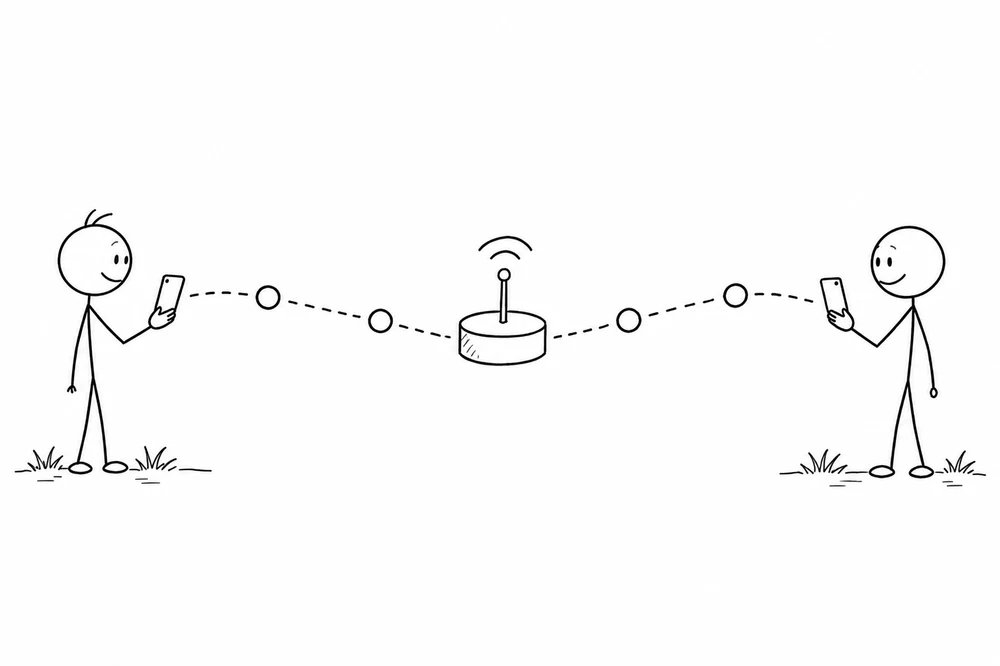
I bank with HDFC, you with SBI. I use Google Pay; you use BHIM. HDFC debits me and SBI credits you. Neither of us pays a fee.

Ways to pay
For rent or a monthly transfer to a parent, I can skip UPI AutoPay and give my bank a standing instruction. It sends the same amount on the same date.
Who runs them
The RBI runs NEFT and RTGS. NPCI runs UPI, IMPS, NACH, RuPay, AePS and cheque clearing. When a dividend lands in your account through NACH, it has passed through NPCI too.
What you pay
Sending money to a person on UPI costs neither of us anything. IMPS can be different: the bank sets the customer fee and also pays NPCI to process the transfer.
How the money settles
HDFC doesn’t need an account with every bank I might pay. NPCI clears what each bank owes; the banks settle the net amounts at the RBI.
Who owns NPCI
The banks own NPCI, which was set up by the RBI and the Indian Banks’ Association. It is a Section 8 company and cannot pay dividends.
The card fee
On a ₹100 credit-card purchase, the merchant might keep ₹98 and pay ₹2 to accept the card. That ₹2 is MDR , the merchant discount rate.
I send you ₹100 on UPI. I bank with HDFC, you with SBI. I use Google Pay; you use BHIM. HDFC debits me and SBI credits you. Neither of us pays a fee.
Google Pay sends my instruction through its partner bank to NPCI, which routes it to SBI. BHIM shows you the credit. NPCI charges the banks for switching the transaction, not me for sending it.
Ways to pay
- Cash moves without a network fee, or a digital record.
- Cheques are cleared from images, not pieces of paper sent between banks.
- Demand drafts are prepaid cheques issued by a bank.
- Money orders still let India Post deliver cash to someone’s door for a commission.
- NEFT runs bank transfers in half-hourly batches, all day.
- RTGS settles transfers of ₹2 lakh or more one at a time.
- IMPS is instant, including from your bank’s app.
- UPI is instant too, but puts the app and NPCI’s switch between the two banks.
- Mandates collect a recurring payment after one approval, through UPI AutoPay or NACH.
- AePS lets you use Aadhaar and a fingerprint at a banking correspondent instead of a phone or card.
- Wallets use money you have loaded in advance.
- Cards pay a merchant through a card network.
- The e-rupee is digital cash issued by the RBI. It remains a pilot.
For rent or a monthly transfer to a parent, I can skip UPI AutoPay and give my bank a standing instruction. It sends the same amount on the same date. Most of these methods stop at the border; a bank wire over SWIFT is still the usual way to send money abroad.
Who runs them
The RBI runs NEFT and RTGS. NPCI runs UPI, IMPS, NACH, RuPay, AePS and cheque clearing. When a dividend lands in your account through NACH, it has passed through NPCI too. A wallet belongs to its issuer; the e-rupee is RBI money.
What you pay
Sending money to a person on UPI costs neither of us anything. IMPS can be different: the bank sets the customer fee and also pays NPCI to process the transfer.
As of September 2026, HDFC Bank’s published IMPS fee starts at ₹2.50, plus GST. SBI began charging for online IMPS above ₹25,000 in February 2026.
Online NEFT and RTGS are free, though a branch transfer may carry a bank fee.
How the money settles
HDFC doesn’t need an account with every bank I might pay. NPCI clears what each bank owes; the banks settle the net amounts at the RBI.
I thought the banks settled once a day. UPI now runs ten settlement cycles a day.
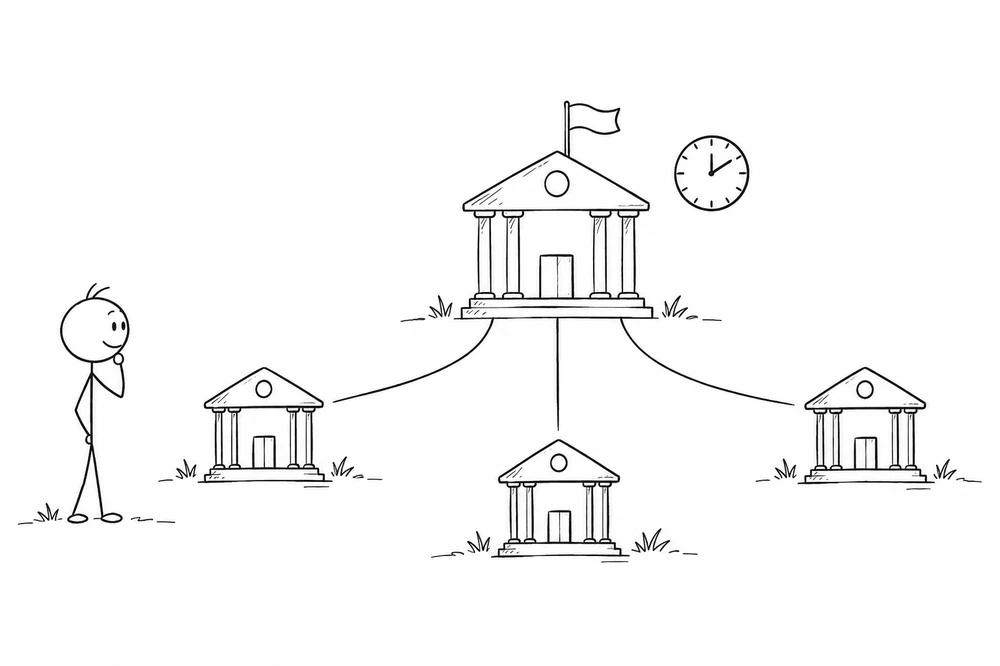
Each participating bank keeps a balance with NPCI against what it may owe. NPCI earns switching fees from banks and interest on these balances. Its FY26 accounts record about ₹107 crore in interest across its systems, including ₹51 crore from UPI.
Who owns NPCI
The banks own NPCI, which was set up by the RBI and the Indian Banks’ Association. It is a Section 8 company and cannot pay dividends. Its FY26 standalone accounts show about ₹4,600 crore in total income and ₹1,360 crore left after tax. I think the banks should own the switch they use.
The card fee
On a ₹100 credit-card purchase, the merchant might keep ₹98 and pay ₹2 to accept the card. That ₹2 is MDR, the merchant discount rate. We all pay for it indirectly in prices.
Debit-card MDR is capped. The government reimbursed banks for UPI and debit-card MDR on payments up to ₹2,000 from 2018. Since January 2020, banks could not charge MDR on UPI or RuPay debit-card payments.
UPI’s coming MDR
The new UPI MDR is reported to start on 15 October 2026. As I write this in September, merchants are not paying it yet.
- Payments up to ₹2,000: nothing.
- Small merchants taking up to ₹1 lakh a month on UPI QR: nothing.
- Other merchant payments above ₹2,000: 0.4%, capped at ₹300. The cap kicks in at ₹75,000.
- Railways, telecom, insurance, fuel and utilities: a flat ₹5 above ₹2,000.
- Stocks and mutual funds: 0.02%, capped at ₹300.
At the announced rates, a large payment to a stockbroker would cost the broker at most ₹300; a payment to an insurer, ₹5. Sending money to a friend stays free. I’ve broken down the terms in my MDR post.
Who gets the fee
A ₹10,000 merchant payment would carry ₹40 of MDR at the announced standard rate. The payer’s bank, the merchant’s bank, the app and its partner bank stand to earn from that fee. I cannot put a rupee figure against each one: The government says the MDR is shared among banks, service providers and apps, but its release does not publish individual shares.
NPCI charges both banks a switching fee separately. It does not take its fee from the merchant’s ₹40.
IPOs already pay
An IPO application already has a payment cost, borne by the company raising money rather than the applicant. The sponsor bank sends the UPI mandate, the applicant’s bank blocks the funds, and NPCI charges for switching. These costs go into the company’s issue expenses.

I’ve written about how the block works in ASBA vs UPI for IPOs.
Do we need the new fee?
I don’t think so. Banks and payment aggregators already charge merchants for collection services, even with no UPI MDR. Merchants and providers can negotiate what that service is worth. I would leave the price to them rather than add a regulated MDR.