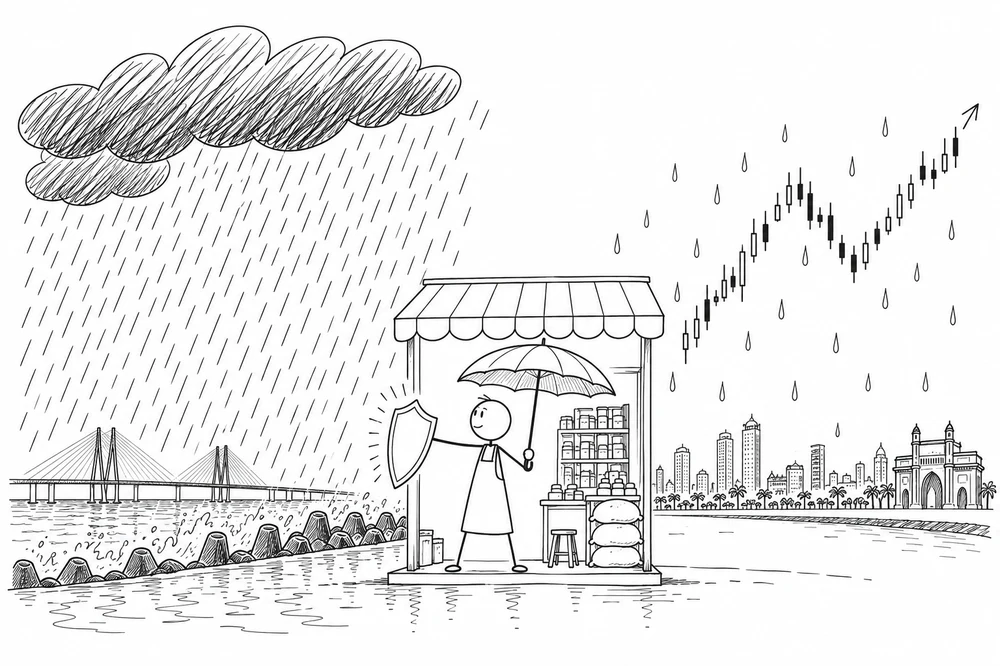
Weather derivatives
NCDEX is letting people trade Mumbai rain. The obvious reaction is: is this not gambling? Pick how much it rains, wait for the monsoon, settle the difference.
The monsoon is already on the balance sheet
Consider an event company with outdoor shows in June. A restaurant with most of its seating outside. A construction company that loses working days when it pours.
How a rainfall future works
NCDEX’s Mumbai rainfall contract is linked to measured rainfall, with contract terms and settlement rules published by the exchange.
Why this is legally tradable
India did not open a blank market for every imaginable event. Commodity derivatives used to sit under the Forward Contracts (Regulation) Act.
When does hedging become gambling?
The instrument does not decide. If a business has real exposure to rainfall and uses the contract to reduce that risk, it is hedging.
The contract has basis risk
A weather hedge will rarely match a business loss perfectly. Rain can vary sharply across Mumbai. The official observation used for settlement may not match what happened outside one warehouse or restaurant.
What the rainfall price can tell us
The market price also has information value. Weather forecasts give probabilities. A traded contract turns participants’ views into a price.
NCDEX is letting people trade Mumbai rain.
The obvious reaction is: is this not gambling?
It sounds like a bet. Pick how much it rains, wait for the monsoon, settle the difference.
But that misses the problem the contract is trying to solve. Mumbai businesses have been betting on the rain for years. They simply did it without a market.
The monsoon is already on the balance sheet
Consider an event company with outdoor shows in June. A cement distributor. A restaurant with most of its seating outside. A construction company that loses working days when it pours.
None of them controls the weather. All of them lose money when rainfall moves against them.
Insurance can cover physical damage. It usually does not cover every bad business month caused by too much or too little rain.
A weather derivative is designed for that gap.
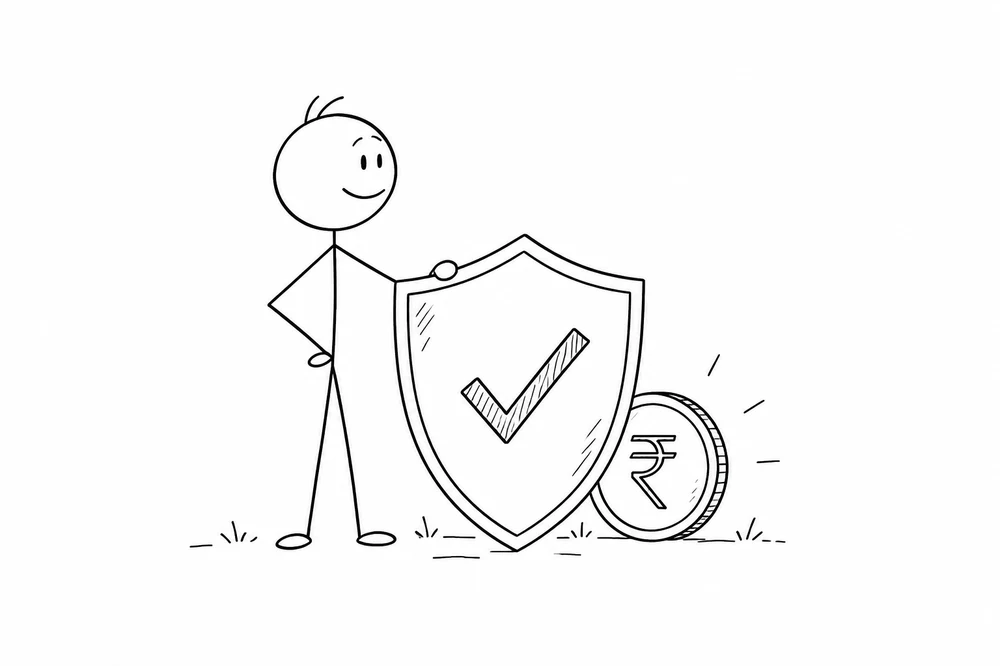
How a rainfall future works
NCDEX's Mumbai rainfall contract is linked to measured rainfall, with contract terms and settlement rules published by the exchange.
A business whose revenue falls in a very wet month could take a position that gains when rainfall rises. If the rain hurts the business, the contract offsets part of that loss. If the weather stays normal, the hedge may lose money, but the business performs better.
That is what a hedge is supposed to do. It is not meant to win on its own. It is meant to make the combined outcome less painful.
A farmer does something similar with crop prices. An airline hedges fuel. An exporter hedges currency. A Mumbai business can now hedge one more input it cannot control.
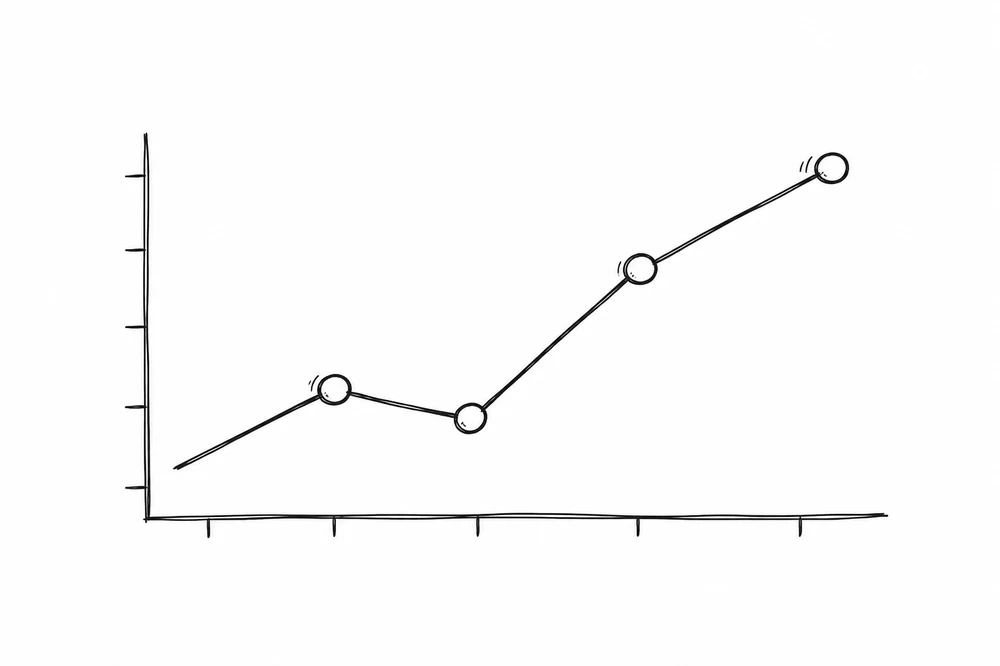
Why this is legally tradable
India did not open a blank market for every imaginable event.
Commodity derivatives used to sit under the Forward Contracts (Regulation) Act. After that framework was merged into the Securities Contracts (Regulation) Act, the legal definition included a limited bucket for activities, services, rights, interests and events.
Weather and freight are the notified items in that bucket.
So this is not a slippery slope where an exchange can list a contract on anything that attracts attention. The contract sits inside a defined legal and regulatory framework, and NCDEX launched the Mumbai rainfall future with SEBI approval.
When does hedging become gambling?
The instrument does not decide. The use does.
If a business has real exposure to rainfall and uses the contract to reduce that risk, it is hedging.
If someone with no exposure takes a large position only because they think the monsoon forecast is wrong, they are speculating.
Markets often need both. Hedgers want to transfer risk. Someone has to take the other side. Speculators can add liquidity and help prices form.
The problem begins when a person mistakes a volatile, unfamiliar contract for easy money.
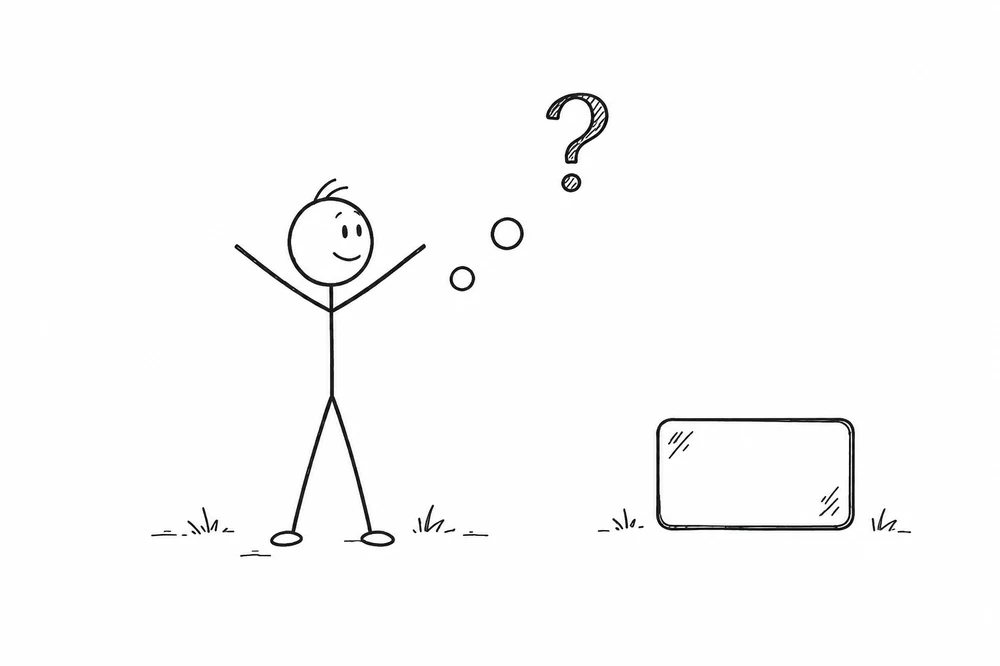
The contract has basis risk
A weather hedge will rarely match a business loss perfectly.
Rain can vary sharply across Mumbai. The official observation used for settlement may not match what happened outside one warehouse or restaurant. Two weeks with the same total rainfall can affect business very differently if one has steady showers and the other has a single flood.
This mismatch is called basis risk.
A business can be right that rain hurt revenue and still find that the contract did not pay enough. That does not make the contract useless. It means the hedge has to be sized with care.
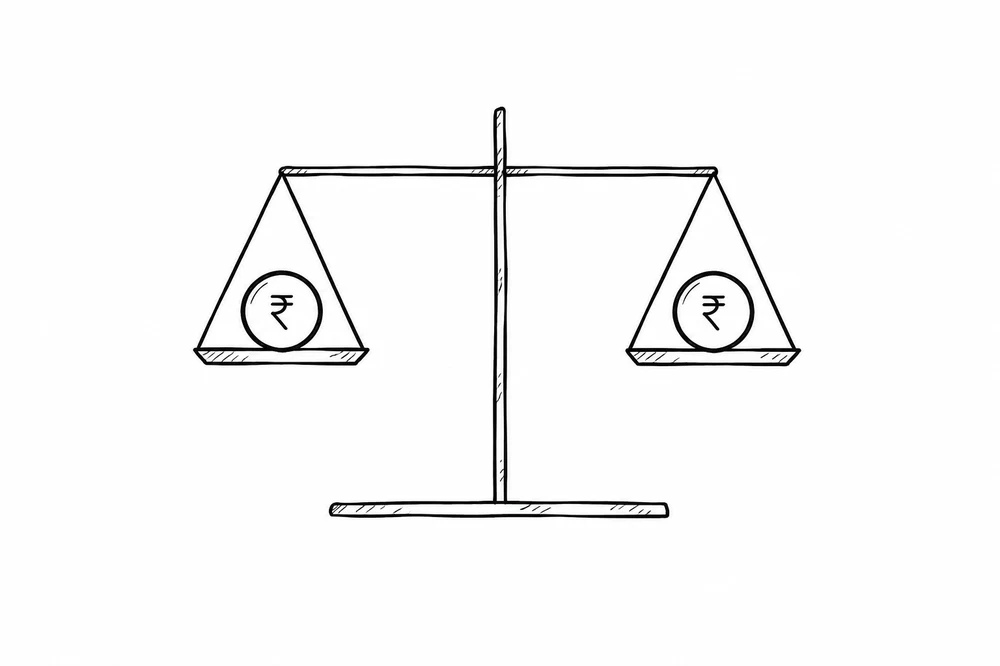
What the rainfall price can tell us
The market price also has information value.
Weather forecasts give probabilities. A traded contract turns participants' views into a price. Over time, that price can become another signal for insurers, event companies, logistics operators and anyone planning around the monsoon.
The interesting part is not that we can now bet on rain.
It is that a risk which sat vaguely in a business plan can now be measured, priced and transferred.
Author’s note: This article grew out of my 20 May 2026 thread on NCDEX’s Mumbai rainfall futures.